Kilimanjaro Mountain: Unveiling the Fascinating Icon of Africa
Mount Kilimanjaro, known as the "Roof of Africa," stands as a majestic testament to nature's grandeur and human perseverance. Rising dramatically from the East African plains in Tanzania, this dormant stratovolcano captivates adventurers, scientists, and nature enthusiasts alike. In this comprehensive exploration, we delve into the geological, ecological, and cultural dimensions of Kilimanjaro Mountain, uncovering its captivating facts and enduring allure.
Geological Origins and Formation
A Product of Tectonic Activity
Kilimanjaro Mountain is a stratovolcano formed through successive eruptions and lava flows over millions of years. Located in Tanzania, it is part of the East African Rift System, where the African Plate is splitting apart. This geological activity has shaped Kilimanjaro's distinct cones and features, including its three main volcanic cones: Kibo, Mawenzi, and Shira.
Evolution of the Peaks
- Kibo: The highest peak and the summit of Kilimanjaro, home to Uhuru Peak, standing at 5,895 meters (19,341 feet) above sea level.
-
- Mawenzi: The second-highest peak, known for its rugged terrain and dramatic volcanic formations.
-
- Shira: A collapsed caldera that forms the western side of the mountain, offering expansive views of the surrounding landscapes.
-
Ecological Diversity and Climate Zones
Unique Ecosystems on the Ascent
Kilimanjaro Mountain boasts a remarkable diversity of ecosystems due to its varying altitudes and climates:
- Cultivation Zone: Near the base, fertile slopes support agriculture and local communities.
-
- Rainforest Zone: Dense forests teeming with biodiversity, including unique flora and fauna like colobus monkeys and bird species.
-
- Heath and Moorland: Transition zones characterized by heather, lobelias, and tussock grasses adapted to cooler temperatures.
-
- Alpine Desert: Barren landscapes at higher altitudes where temperatures drop and plant life becomes sparse.
-
- Arctic Zone: Near the summit, a cold and inhospitable environment with permanent glaciers and snowfields.
-
Climbing Routes and Expeditions
Popular Routes to Uhuru Peak
Kilimanjaro Mountain offers several routes catering to different preferences and abilities:
- Marangu Route: Known as the "Coca-Cola" route due to its popularity and relative ease, featuring hut accommodations.
-
- Machame Route: The "Whiskey" route, known for its scenic beauty and varied terrain, often preferred for acclimatization.
-
- Lemosho Route: A longer and more remote route offering panoramic views and higher success rates due to gradual ascent.
-
- Rongai Route: Approached from the north, providing a quieter trek with diverse landscapes and opportunities for wildlife sightings.
-
- Umbwe Route: The most challenging route, offering steep ascents and less frequented trails for experienced climbers.
-
Cultural Significance and Local Communities
Cultural Heritage of Kilimanjaro
For centuries, Kilimanjaro Mountain has held spiritual and cultural significance for local tribes, including the Chagga people. The mountain is steeped in folklore and traditions, often viewed as a sacred place associated with ancestral spirits and rituals. Cultural tours offer insights into traditional lifestyles, farming practices, and the importance of sustainable tourism in preserving these rich cultural legacies.
Wildlife and Conservation Efforts
Biodiversity Amidst the Peaks
Despite the harsh conditions at higher elevations, Kilimanjaro Mountain supports a surprising array of wildlife:
- Birdlife: Numerous bird species inhabit the lower forests and heathlands, including the endangered Abbott's starling.
-
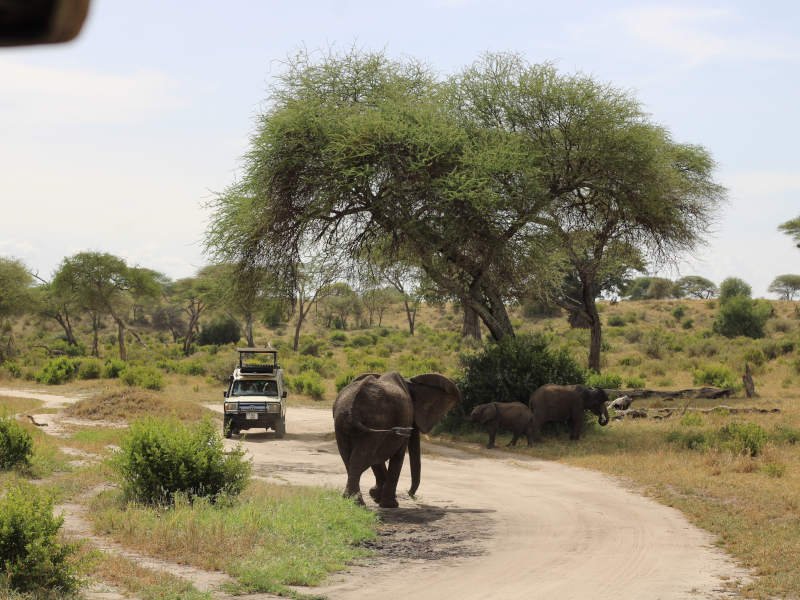
- Mammals: Occasionally spotted are buffalo, elephants, leopards, and other species adapted to the mountain's ecosystems.
-
- Flora: Endemic plant species such as the Kilimanjaro tree and delicate alpine flowers thrive in the mountain's unique habitats.
-
Conservation Challenges and Initiatives
Environmental conservation plays a crucial role in preserving Kilimanjaro's biodiversity and natural resources:
- Glacial Recession: The mountain's glaciers have been shrinking rapidly due to climate change, impacting local water sources and ecosystems.
-
- Community Engagement: Collaborative efforts involve local communities in sustainable practices and eco-tourism initiatives to protect Kilimanjaro's fragile ecosystems.
-
- Research and Monitoring: Ongoing scientific studies monitor changes in biodiversity, climate patterns, and glacial movements to inform conservation strategies.
-
Tourism and Economic Impact
Gateway to Adventure and Exploration
Kilimanjaro Mountain's allure extends beyond its natural beauty, attracting climbers and travelers from around the world:
- Adventure Tourism: Climbing Kilimanjaro Mountain is a bucket-list experience, drawing adventurers seeking personal challenges and panoramic vistas.
-
- Economic Benefits: Tourism supports local economies through job creation, hospitality services, and cultural exchanges, contributing to sustainable development in the region.
-
Challenges and Future Prospects
Preserving Kilimanjaro Mountain for Future Generations
As Kilimanjaro Mountain faces environmental and socio-economic challenges, sustainable practices and conservation efforts are crucial:
- Climate Resilience: Mitigating climate change impacts to preserve the mountain's ecosystems and water resources.
-
- Community Empowerment: Engaging local communities in conservation and eco-tourism initiatives to promote sustainable livelihoods.
-
- Global Awareness: Raising awareness about Kilimanjaro Mountain's environmental significance and the need for international cooperation in preserving this iconic natural landmark.
-
Conclusion
Kilimanjaro Mountain, with its towering peaks and diverse ecosystems, stands as a testament to nature's grandeur and human perseverance. From its geological origins to its cultural significance and ecological diversity, Kilimanjaro Mountain continues to captivate and inspire. Whether you're planning a trek to Uhuru Peak or seeking to understand its ecological importance, Kilimanjaro Mountain offers a profound journey of exploration and discovery.
Explore the wonders of Kilimanjaro Mountain with reputable tour operators like Adventure Expeditions, and embark on an unforgettable expedition to Africa's iconic summit.
This comprehensive exploration of Kilimanjaro Mountain unveils its geological marvels, ecological treasures, and cultural significance, inviting you to delve into the heart of Africa's tallest peak.

 2 days


