There is a moment, somewhere above the clouds on the slopes of Mount Kilimanjaro, when the world falls quiet and something deep inside you shifts. The air is thin, your legs are tired, and the summit is still hours away — but you are already changed. This is what climbing the roof of Africa does to a person. It does not simply test your body. It reveals who you are.
Kilimanjaro is the highest peak in Africa and the tallest free-standing mountain in the world, rising to 5,895 metres (19,341 feet) above the plains of northern Tanzania. It is not a technical climb — no ropes or ice axes are required — but it demands respect, preparation, and the right team alongside you. At Shammah Wonders Safaris, our mountain guides have led hundreds of climbers to Uhuru Peak safely, and we take every step of your journey as seriously as you do.
The mountain offers six climbing routes, each with its own character, difficulty, and scenery. The Machame Route — known as the Whiskey Route — is our most popular choice, celebrated for its stunning scenic variety and higher summit success rate due to a longer acclimatisation profile. The Marangu Route (the Coca-Cola Route) is the only path offering dormitory hut accommodation and is a good choice for those preferring a more structured environment. The Lemosho Route provides a longer, more gradual ascent with panoramic views and lower crowds — ideal for those prioritising acclimatisation and success. The Rongai Route approaches from the quieter northern side, offering a drier and less-trafficked experience. For experienced mountaineers seeking the ultimate challenge, the steep and dramatic Umbwe Route provides the most direct and demanding ascent.
Most climbers summit Kilimanjaro in seven to nine days — the extra days are not just about distance, they are about giving your body time to adapt to the altitude gradually, which is the single most important factor in reaching the top. Our team will advise you on the best route and duration for your fitness level, experience, and goals.
Beyond Kilimanjaro, Tanzania's trekking landscape is extraordinary. Mount Meru — Tanzania's second-highest mountain at 4,562 metres — rises within Arusha National Park and offers a spectacular four-day trek through wildlife-rich forests, dramatic volcanic craters, and sweeping views of Kilimanjaro on clear mornings. It is also one of the finest acclimatisation treks in Africa, making it an ideal preparation climb for Kilimanjaro.
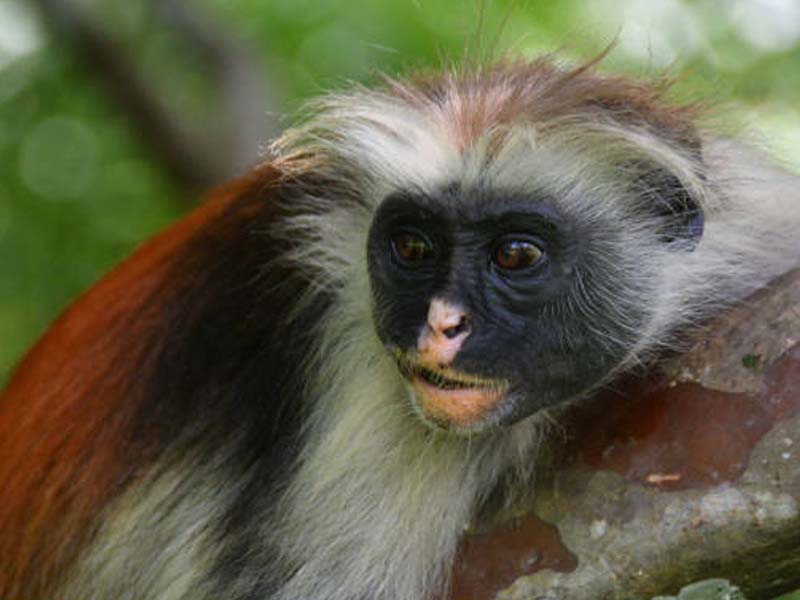
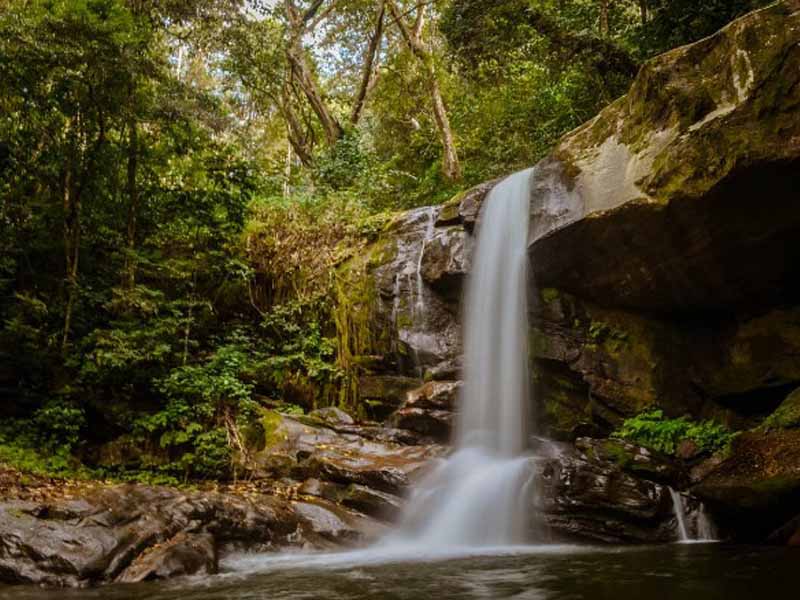
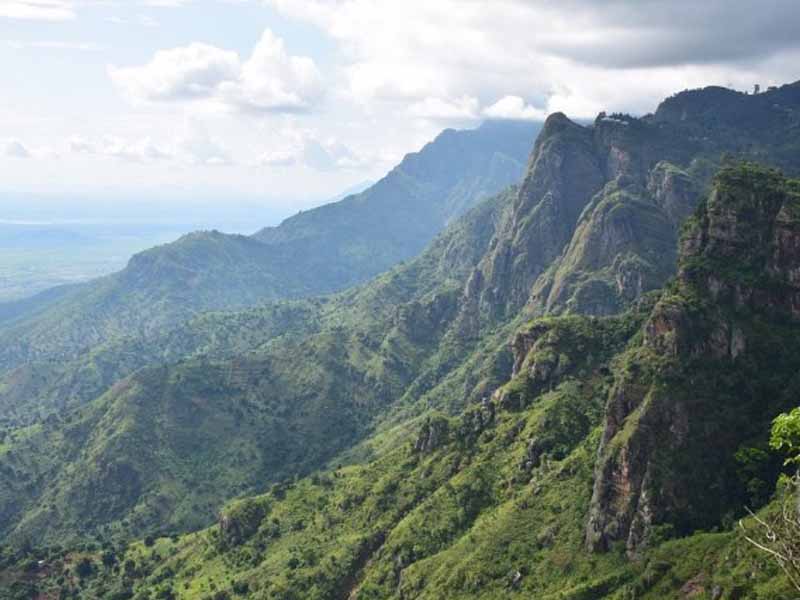
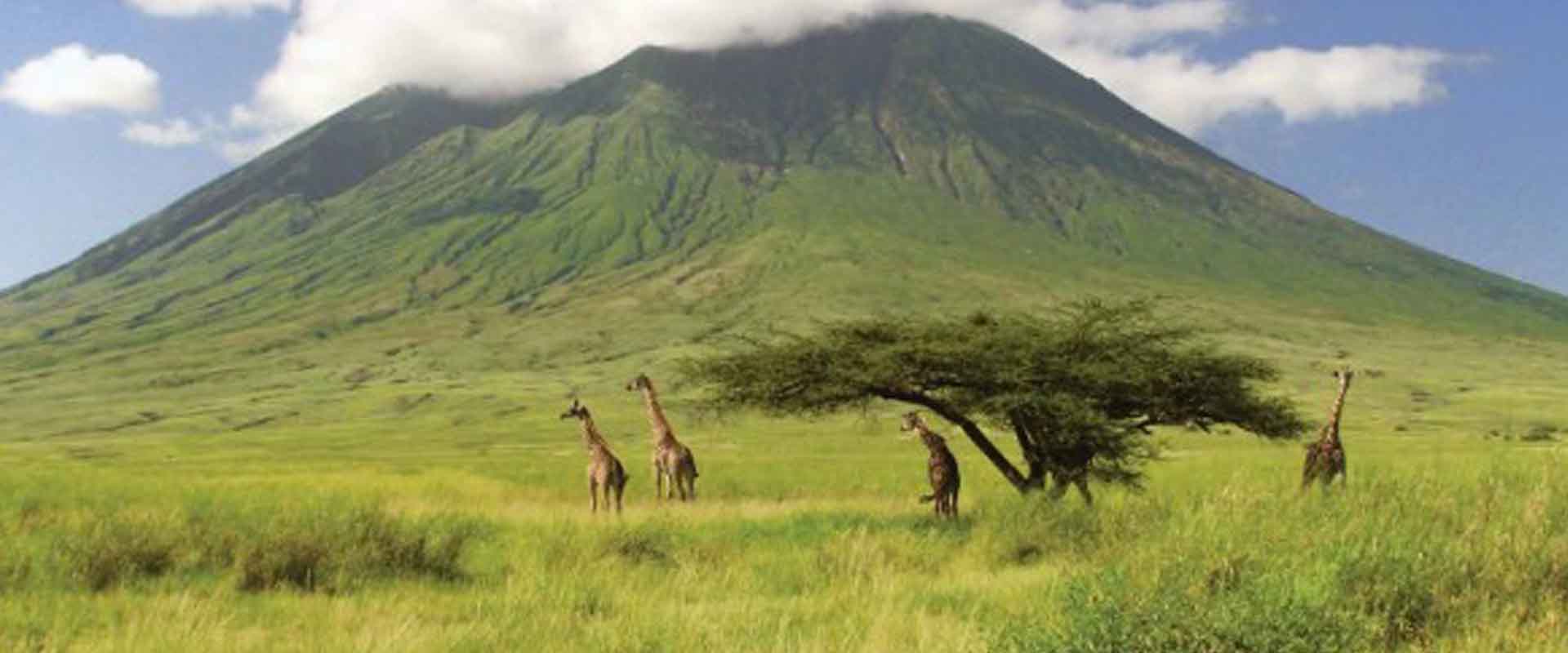
The sacred Mount Oldoinyo Lengai — the Maasai Mountain of God — offers a rare and challenging overnight hike to the crater of the world's only active carbonatite volcano. The Usambara Mountains deliver peaceful multi-day treks through highland villages, forest reserves, and rolling tea plantations. The Udzungwa Mountains in southern Tanzania combine pristine rainforest, primate encounters, and the spectacular Sanje Waterfall in one of Tanzania's most rewarding off-the-beaten-path adventures.
Whether you are climbing Kilimanjaro for the first time, summiting Mount Meru as part of a larger Tanzania adventure, or seeking a cultural walking experience through ancient tribal lands, Shammah Wonders Safaris provides the expert guidance, quality equipment, and personalised support to make your trekking experience safe, memorable, and life-changing. Contact us for a free consultation and personalised trekking quote.

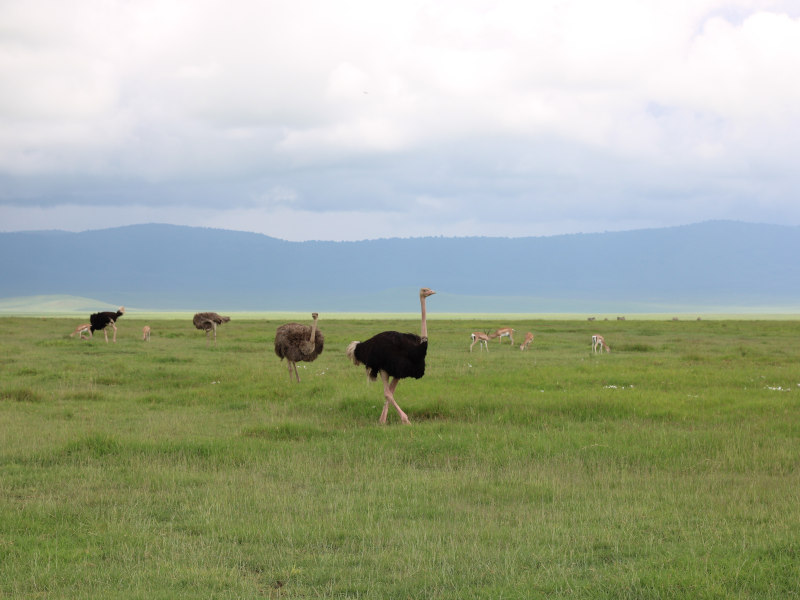
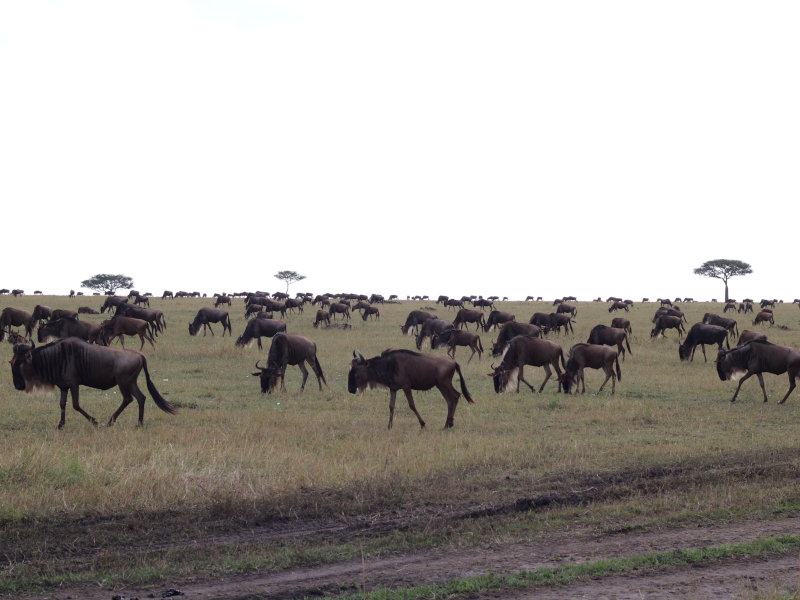
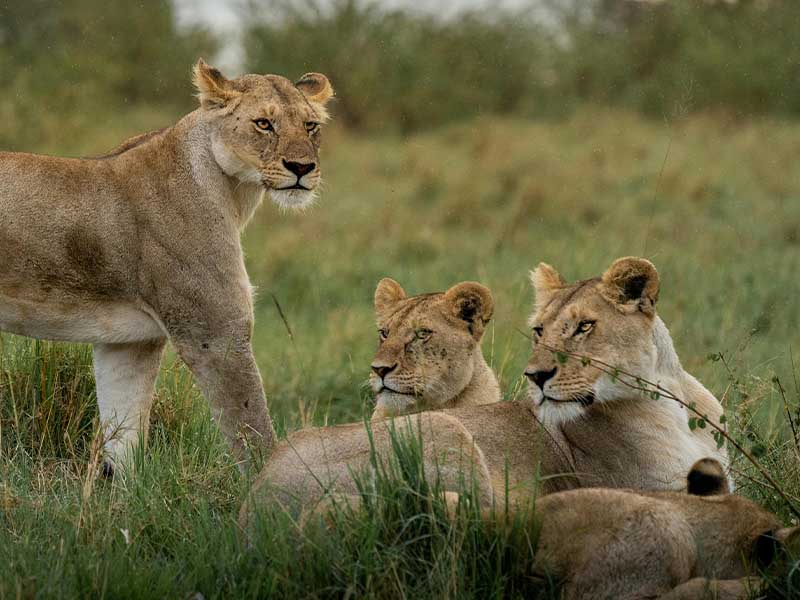
Our wildlife is abundant, ensuring you'll never experience a dull moment. With over 35 species of large mammals, alongside numerous captivating smaller creatures and a remarkable array of insect life, there's always something to marvel at. Additionally, Tanzania boasts well over one thousand bird species and a plethora of intriguing reptiles.
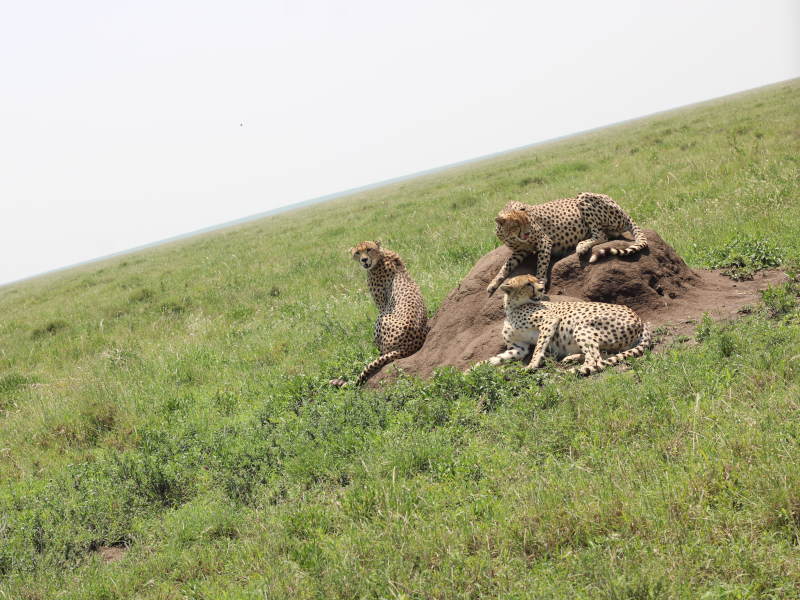
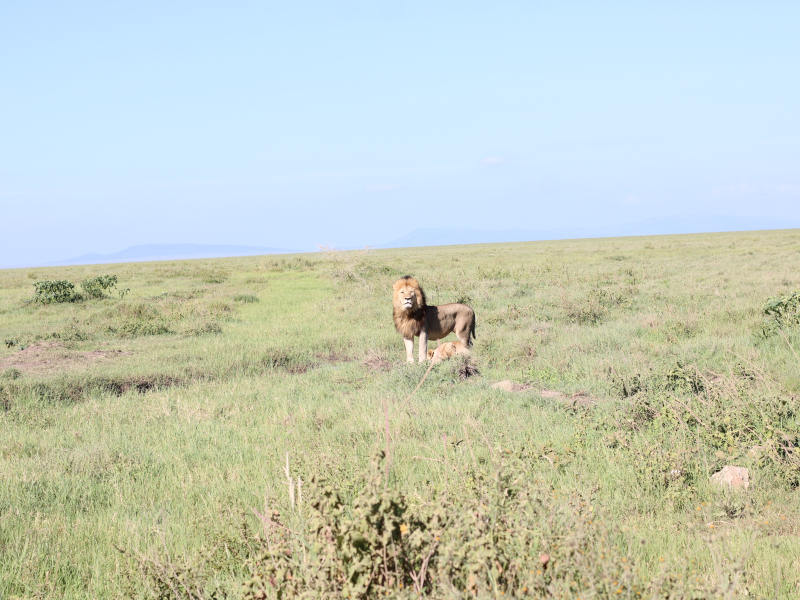
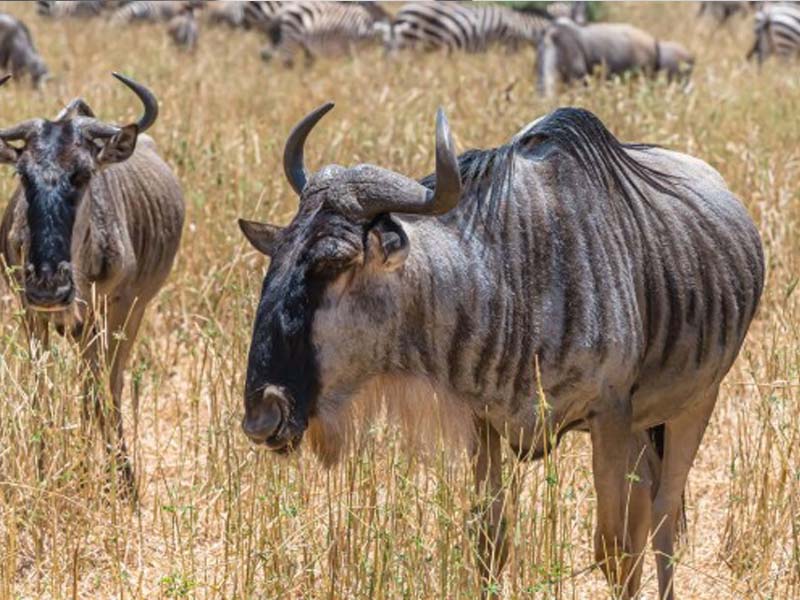
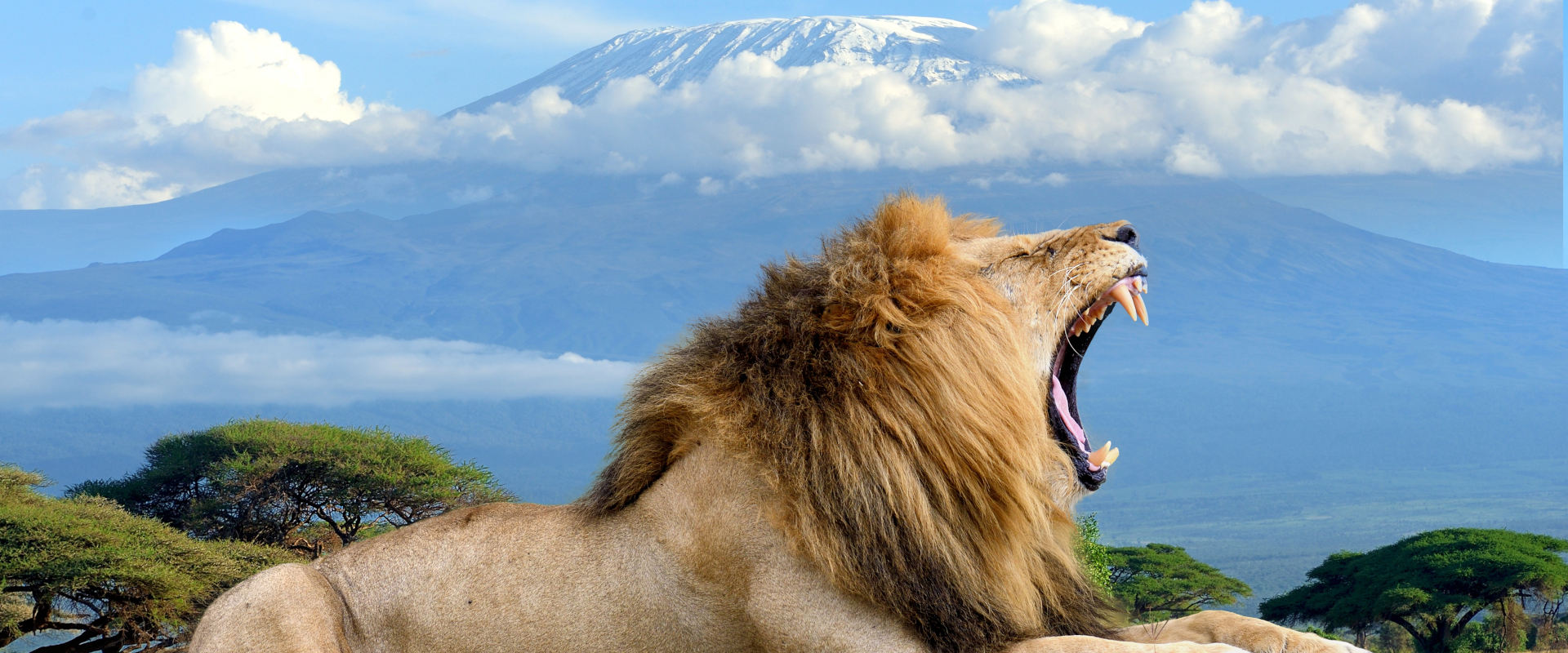
While there are no guarantees of sightings, a typical game drive might include spotting the iconic African elephant, zebra, buffalo, giraffe, hippopotamus, olive baboons, and impressive big cats such as lion, leopard, and cheetah. Keep an eye out for jackals and hyenas as well. Moreover, in the otherworldly Ngorongoro Crater, you might have the fortune of glimpsing a rare black rhinoceros.
The most enriching aspect is not merely observing these animals, but also gaining invaluable knowledge about them from our expert driver guides. Even if you're not an avid birdwatcher, your driver-guide will point out some of our vibrant avian residents, such as the majestic African fish eagle, the grey-headed kingfisher, or the pearl-spotted owl. And as for the vultures... well, you'll spot those on your own.
For safety reasons, it's imperative to remain inside the safari vehicle while exploring our National Parks. However, there may be designated opportunities to exit the vehicle in secure locations, such as during a picnic lunch break. Walking excursions are feasible in specific parks like Selous, Tarangire, Lake Manyara, Arusha National Park, and Ngorongoro, provided you're accompanied by an armed Park Ranger. In the Serengeti, certain lodges arrange brief walks under safe conditions.
Kilimanjaro stands at 5895 meters, or 19,341 feet, above sea level at its summit.
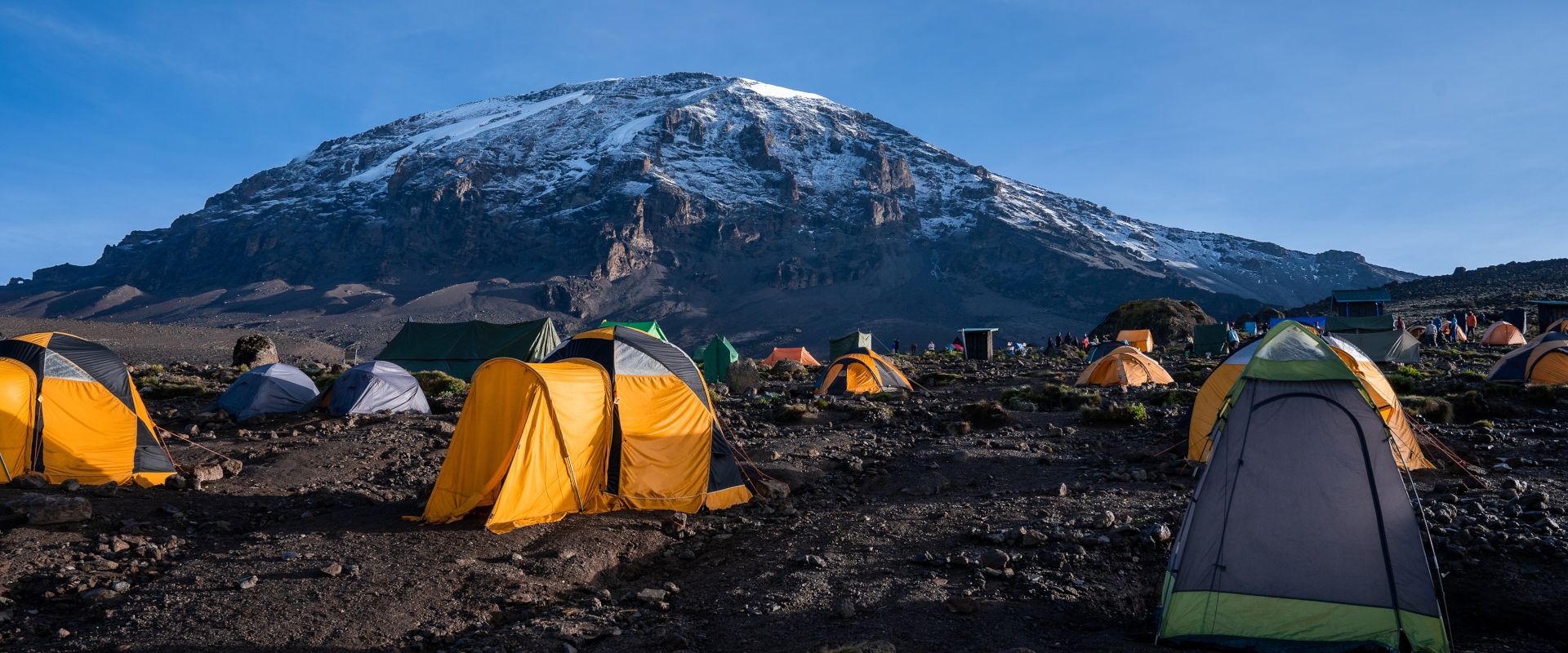
On the Marangu route, accommodations consist of huts, whereas on the other routes, climbers are accommodated in tents provided by Shammah Wonders Safaris. The Marangu huts are equipped with dormitories, a dining area, and separate bathroom facilities (comprising flush toilets or 'long-drop' toilets). In the campsites, toilet facilities are of the 'long-drop' style, and Shammah Wonders Safaris supplies a kitchen/dining tent. If necessary, climbers have the option to rent a portable toilet on the Machame, Rongai, and Lemosho routes, at an additional expense.
The tallest mountain in Africa is positioned in Northern Tanzania, near the border with Kenya. It lies approximately 350 kilometers (220 miles) south of the equator. The nearest significant urban centers are Moshi and Arusha.
Out of the six distinct pathways leading to the summit, Shammah Wonders Safaris presents four, with one route offering two alternatives: the 8-day Lemosho Route, 7-day Machame Route, 6-day Machame Route, 6-day Rongai Route, and 6-day Marangu Route. You can find further details about them on our Active Trekking section. The total distance covered by these routes ranges from 53 to 73 kilometers (33 to 46 miles). It's important to note that the longer duration spent on the mountain increases the likelihood of a successful ascent.
From a logistical standpoint, the Marangu route is unique in providing accommodation within mountain huts, whereas the remaining three routes necessitate tent camping at designated campsites. Marangu may be considered less visually captivating compared to the other routes. For a more comprehensive overview of each route, please refer to our Mount Kilimanjaro page. Another significant contrast lies in the duration of the trek (refer to 'How lengthy is the hike?' above).
The official currency in Tanzania is the Tanzanian Shilling (Tshs). However, it's important to note that Tanzanian Shilling cannot be imported or exported. Nonetheless, it can be easily converted to US Dollars, Euros, and other currencies within the country.
Should you need to exchange currency while in Tanzania, numerous banks across the country provide currency exchange services. It's advisable to always obtain a receipt for currency transactions.
The majority of lodgings will readily take credit cards. However, if you prefer cash transactions, it's advisable to utilize US Dollars. Please be aware that US Dollar banknotes dated before 2009 are not accepted. For credit card payments, either MASTERCARD or VISA are recommended.
For currency needs, we recommend bringing US Dollars from your home country, as they are widely accepted.
However, if you find yourself in need of cash while in Tanzania, there are numerous ATM machines available in Arusha City where you can withdraw additional funds before embarking on your safari or trek. It's important to note that US Dollars cannot be withdrawn from ATMs, and there is a maximum withdrawal limit of 400,000 Tanzanian Shillings, which is equivalent to less than 200 USD. Therefore, it's essential to consider this limit when withdrawing cash.
Furthermore, it's worth mentioning that many small towns or beachside hotels may lack ATM facilities, so it's advisable to ensure you have sufficient cash before traveling to remote areas or the beach.
While we understand the inclination to show kindness and establish connections with community members, it's not advisable to distribute gifts randomly. If you wish to make a donation or present gifts, please inform us, and we can arrange this for you. Additionally, we can offer guidance on suitable gifts or donations.
The expense of a journey to Tanzania varies based on various factors, including the itinerary, lodging preferences, duration of the trip, and the size of your group. Upon consultation with us regarding your preferences, we will design an itinerary and provide you with detailed cost estimates.
Typically, the Tanzanian dry period commences in early June and extends until late October. Subsequently, the 'short rains' arrive from late October or early November until mid to late December. Following this, there's a break from late December to mid-March, after which the 'long rains' set in from the end of March to May.
Naturally, climatic patterns may fluctuate annually, so it's essential to be ready for any eventuality.
We assure you'll find Tanzania very safe and welcoming. Like anywhere else globally, exercising common sense is key. Avoid displaying valuables and embrace the natural wonders, culture, and people of Tanzania without worry.
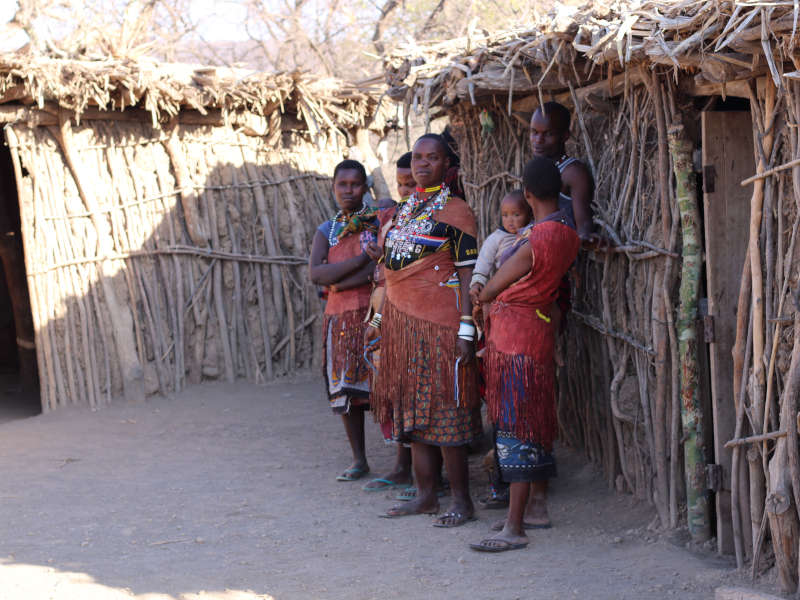
While many visitors come to Tanzania primarily for wildlife experiences, they often depart with a broader and deeper understanding. Why? A significant part of this is attributed to our amicable, hospitable, and diverse populace. Tanzanians encompass various ethnicities and religious beliefs, coexisting harmoniously, making Tanzania one of Africa's safest destinations.
Tanzania is in the GMT+3 time zone, which signifies that there's no time variance between their summers and winter seasons.
The primary language of Tanzania is Swahili, spoken by the majority of our population. Additionally, we boast a diverse array of over 100 tribal languages! Thankfully, English is prevalent in major urban centers and areas frequented by tourists. At Shammah Wonders Safaris, our driver guides are proficient in multiple languages including English, French, Spanish, Italian, and German. When making reservations with us, please indicate your preferred language for our guides.
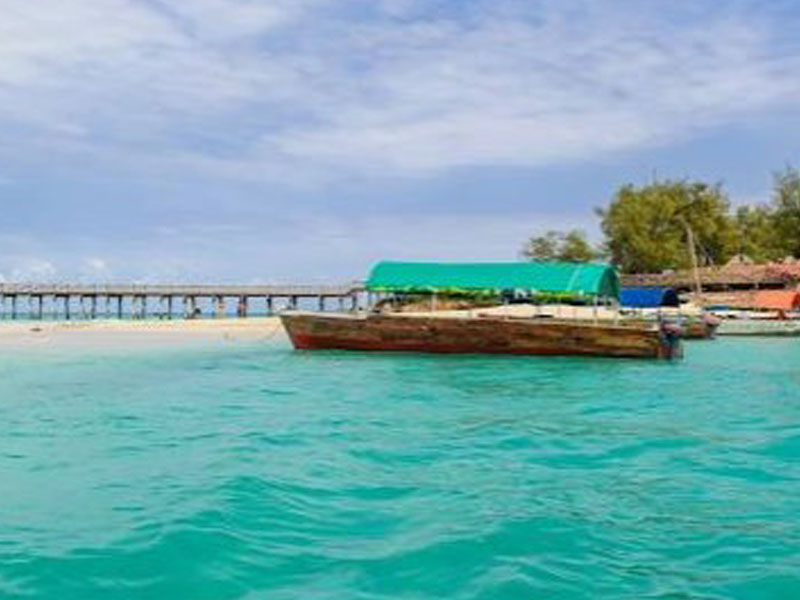
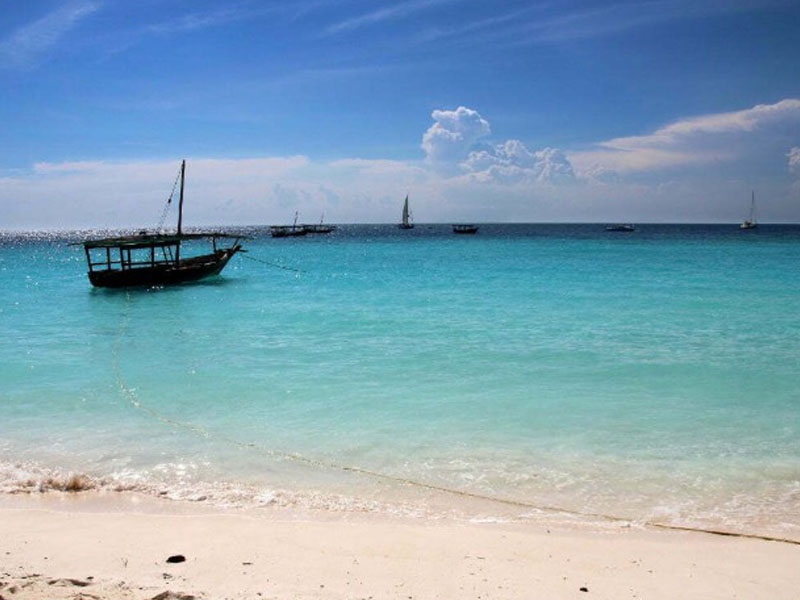
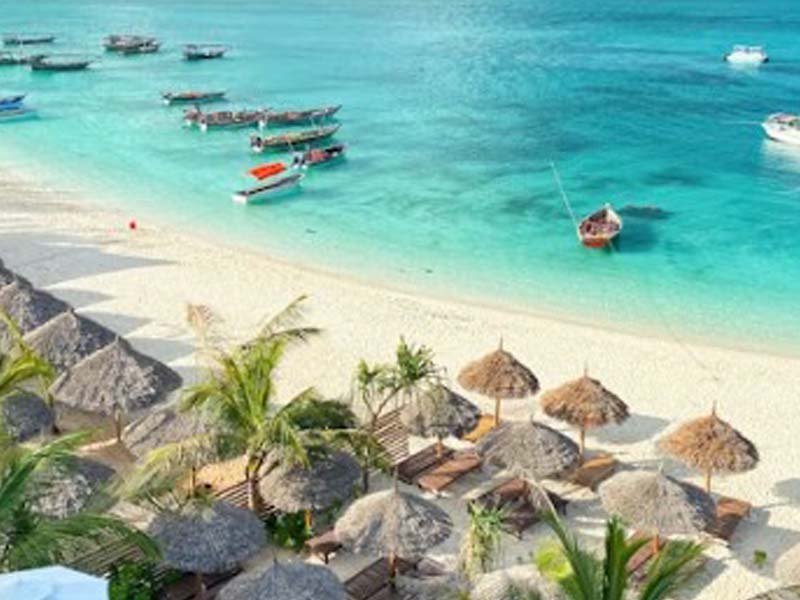
Situated in East Africa, Tanzania is bordered by the Indian Ocean to the east, which contributes to the allure of Zanzibar.
To the north, Tanzania borders Kenya and Uganda, while Rwanda, the Democratic Republic of the Congo, and Burundi lie to the west. To the south are Zambia, Malawi, and Mozambique.
There are multiple methods of reaching Tanzania, but typically, you'll arrive by air at Julius Nyerere International Airport in Dar es Salaam (640 kilometers, or a 2-hour flight from Arusha City), or at Kilimanjaro International Airport (a 45-minute drive from Arusha City).
Whether you aim to ascend Kilimanjaro or cross off an African Safari from your list of dreams, we're thrilled to assist you in planning.
Reach out to us today with your particular preferences, and our team of Tanzania experts will craft a customized itinerary that will exceed your expectations.
We eagerly anticipate your arrival!
Tanzania witnesses two periods of rainfall, known as the 'long rains' from late March to May and the 'short rains' from late October or early November to mid-December.
Numerous airlines operate direct routes to Tanzania, with frequencies ranging from daily to thrice weekly. Carriers offering nonstop flights include KLM, Ethiopian Airlines, Kenya Airways, Qatar Airways, Turkish Airlines, Condor Charter Flight, and RwandAir, which serve Kilimanjaro International Airport. Additionally, airlines such as Emirates, South African Airways, Etihad Airways, and EgyptAir offer daily flights to Dar es Salaam International Airport.
Shammah Wonders Safaris is a tour company with a very professional team with a full of distinguished service oriented mindset. It is a rapidly growing company which always focusing on providing the classic and one in a life time experience in the wild and nature in general. Most of our safaris are private. Private safaris in Tanzania are a great way to explore the country’s wildlife and landscapes with an exclusive and dedicated guide, without having to share time-tabled tours of game viewing activities, amenities, and transport with strangers whose preferences and languages do not match yours. Private Tanzania safaris are available for groups of any size, with SHAMMAH WONDERS offering tailor-made options for honeymoon couples, families, or small VIP groups. Shammah Wonders Tour Operator offers a 12-day Private Tanzania safari that takes you from Arusha to the Ngorongoro Crater, Tarangire to the Serengeti, with the journey’s end on the white sand beaches of Zanzibar. Tanzania Private safaris are all about traveling with the people you choose, and they are designed to be experienced at your leisure in ultimate African luxury