Climbing Kilimanjaro: Understanding Risks, Preparation, and Kilimanjaro Rescue
Introduction to Climbing Kilimanjaro
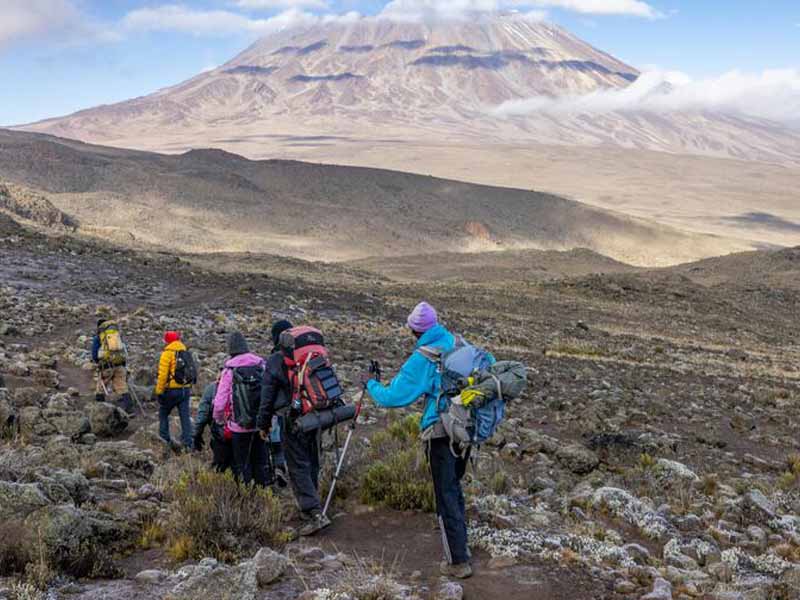
Mount Kilimanjaro, Africa's highest peak and a majestic freestanding mountain, attracts thousands of climbers each year seeking to conquer its summit. Situated in Tanzania, Kilimanjaro offers diverse landscapes, from lush rainforests to alpine deserts, culminating in its snow-capped summit. However, climbing Kilimanjaro is not without its challenges, and understanding the risks involved, proper preparation, and emergency protocols are crucial for a safe and successful ascent.
Understanding the Risks and Challenges of Climbing
Kilimanjaro
Climbing Kilimanjaro presents several challenges that climbers must be aware of:
Altitude
Altitude is the foremost challenge climbers face on Kilimanjaro. The summit, Uhuru Peak, stands at 5,895 meters (19,341 feet) above sea level. Altitude-related illnesses such as Acute Mountain Sickness (AMS), High Altitude Pulmonary Edema (HAPE), and High Altitude Cerebral Edema (HACE) can occur if climbers ascend too quickly without proper acclimatization.
Weather Conditions
Weather on Kilimanjaro can be unpredictable and harsh, with temperatures ranging from hot and humid in the lower slopes to freezing cold near the summit. Sudden changes in weather, including rain, snow, and high winds, can pose additional challenges.
Physical Demands
The ascent to Kilimanjaro's summit is physically demanding, requiring stamina, endurance, and strength. Climbers must be prepared for long hours of trekking, often in challenging terrain, and must carry their gear and supplies.
Importance of Proper Training and Physical Preparations
Fitness Training
Physical fitness is essential for climbing Kilimanjaro. Training should include cardiovascular exercises, strength training, and endurance activities to prepare the body for the demands of high-altitude trekking.
Mental Preparation
Climbing Kilimanjaro is as much a mental challenge as a physical one. Mental preparation involves developing resilience, determination, and a positive mindset to overcome obstacles and altitude-related stresses.
Gears and Equipment for Kilimanjaro Climb
Essential Gear
Clothing
- Layered Clothing: Lightweight, moisture-wicking base layers to manage sweat and maintain warmth. Insulated mid-layers for thermal regulation in changing temperatures. Waterproof and windproof outer layers to protect against rain, snow, and wind.
-
- Insulated Jacket: A warm, insulated jacket is essential for the cold temperatures encountered at higher altitudes, especially during early morning summit attempts.
-
- Trekking Pants: Durable, quick-drying trekking pants that provide freedom of movement and protection from elements like rain and wind.
-
- Gloves and Mittens: Thermal gloves for warmth and dexterity while hiking. Mittens for additional warmth during summit night.
-
- Headwear: Insulated beanie or hat for warmth. Sun hat for protection against strong UV rays at higher altitudes. Sunglasses with UV protection to shield eyes from intense sunlight and snow glare.
-
Footwear
- Hiking Boots: Sturdy, waterproof hiking boots with ankle support and a good tread for traction on uneven terrain. Properly broken-in boots to prevent blisters and discomfort.
-
- Socks: Moisture-wicking, breathable socks with cushioning to reduce friction and prevent blisters. Carry extra pairs for changing as needed.
-
Sleeping Gear
- Sleeping Bag: High-quality, insulated sleeping bag rated for sub-zero temperatures. Down or synthetic fill options available depending on personal preference and budget.
-
- Sleeping Pad: Insulated sleeping pad for comfort and insulation from the cold ground. Self-inflating or foam options provide varying levels of comfort and insulation.
-
Technical Gear
- Trekking Poles: Adjustable trekking poles to improve balance, reduce strain on knees and provide stability on steep terrain. Essential for maintaining posture and reducing fatigue during long hikes.
-
- Headlamp with Extra Batteries: Lightweight headlamp for hands-free visibility during early morning summit attempts and nighttime activities. Carry spare batteries to ensure continuous operation.
-
- Backpack: Comfortable, sturdy backpack with sufficient capacity to carry essentials such as water, snacks, clothing layers, and personal items. A hydration system or water bottles for staying hydrated throughout the climb.
-
Acclimatization and Altitude Sickness Prevention
Acclimatization Strategy
Proper acclimatization is critical for climbing Kilimanjaro safely. It involves gradual ascent, scheduled rest days, and staying hydrated. Climbers should follow the "climb high, sleep low" principle to aid acclimatization.
Altitude Sickness Prevention
Recognizing symptoms of altitude sickness, such as headache, nausea, and dizziness, is crucial. If symptoms occur, climbers should descend to lower altitudes immediately. Diamox (acetazolamide) may be prescribed to help prevent altitude sickness.
Hiring Reputable Guides and Porter Service
Importance of Experienced Guides
Hiring a reputable guiding company with experienced guides is essential for a safe Kilimanjaro climb. Guides provide local knowledge, support, and emergency response expertise. They ensure climbers adhere to safety protocols and assist in altitude monitoring.
Porter Service
Porters play a crucial role in supporting climbers by carrying gear, supplies, and equipment. Hiring porters through ethical guiding companies ensures fair wages and proper treatment, supporting local communities.
Emergency Communication and Kilimanjaro Rescue
Communication Systems
Effective communication systems are vital on Kilimanjaro. Guides and climbers should carry satellite phones, radios, or mobile phones with network coverage where available. Emergency contact information should be readily accessible.
Rescue Procedures
In the event of an emergency, such as severe altitude sickness or injury, guides initiate rescue procedures. This may involve contacting rescue teams, coordinating evacuation logistics, and providing medical assistance until help arrives.
Comprehensive Emergency Plan
Pre-Trip Planning
Before embarking on the climb, climbers should develop a comprehensive emergency plan. This plan includes:
- Emergency Contacts: Contact information for local emergency services, guiding company, and embassy.
-
- Medical Kit: Carry a well-stocked medical kit with essential supplies for treating minor injuries and illnesses.
-
- Evacuation Plan: Outline procedures for evacuation, including evacuation routes and rendezvous points.
-
On-Trail Protocols
During the climb, climbers should adhere to safety protocols:
- Group Check-Ins: Regular group check-ins to monitor health status and assess altitude acclimatization.
-
- Weather Monitoring: Stay informed about weather forecasts and adjust plans accordingly to avoid adverse conditions.
-
Tips for Staying Safe and Ensuring Survival on Kilimanjaro
Hydration and Nutrition
Stay hydrated by drinking plenty of water throughout the climb. Eat nutritious meals to maintain energy levels and replenish electrolytes lost through exertion.
Pace and Rest
Maintain a steady pace while ascending Kilimanjaro to conserve energy and minimize altitude-related stress. Schedule regular rest breaks to rest, hydrate, and acclimatize.
Environmental Awareness
Respect the natural environment of Kilimanjaro by adhering to Leave No Trace principles. Minimize impact on flora and fauna and follow designated trails to preserve the mountain's pristine ecosystem.
Conclusion
Climbing Mount Kilimanjaro is a challenging yet rewarding adventure that requires thorough preparation, physical fitness, and adherence to safety protocols. Understanding the risks associated with high-altitude trekking, acclimatization strategies, and emergency response procedures is essential for a safe and successful ascent. By prioritizing proper training, acquiring essential gear, hiring experienced guides, and developing a comprehensive emergency plan, climbers can maximize their chances of reaching Kilimanjaro's summit safely while enjoying the awe-inspiring landscapes and cultural richness the mountain has to offer.

 2 days