 1 day
1-Day Mwanza to Serengeti National Park
- Early scenic drive from Mwanza
- Short game drive in Serengeti
- Wildlife viewing
FromUS$ 495 pp

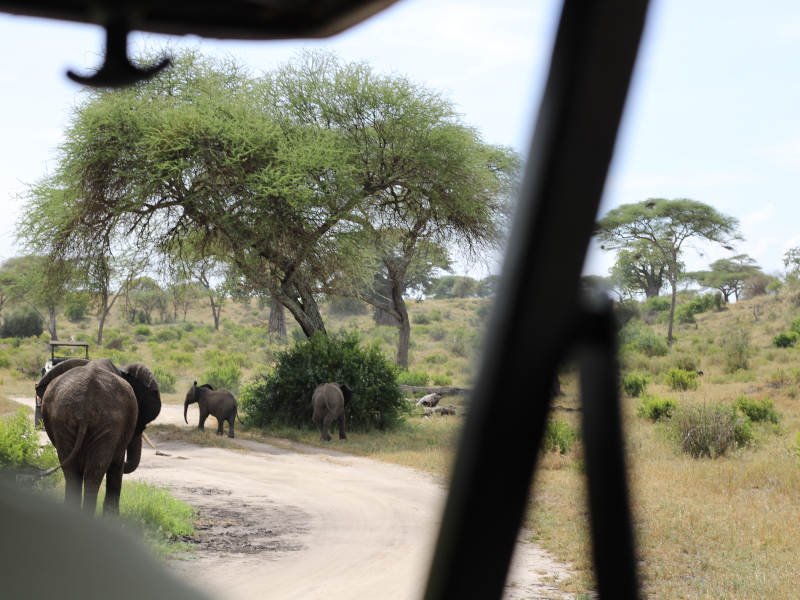
Witness Nature's Drama: The Serengeti Migration Unveiled
Embark on an odyssey of natural wonder as we delve into the awe-inspiring spectacle of the Serengeti Migration. This extraordinary journey, driven by instinct and survival, unfolds across the vast plains of East Africa, captivating travelers with its sheer magnitude and drama. Join us as we explore the best time to witness this phenomenon, essential packing tips, safety guidelines, accommodation options, and the myriad activities awaiting adventurers amidst the migration's epic journey.
H2: Best Time to Visit for the Serengeti Migration
Timing is paramount when planning your Serengeti Migration adventure. The optimal time to witness this remarkable event depends on the specific phase you wish to experience. Generally, the migration unfolds year-round in a continuous cycle, with distinct highlights during certain seasons.
For the calving season, venture to the Southern Serengeti and Ndutu Plains between January and March. Witness newborn calves taking their first steps amidst the abundance of predator-prey interactions, offering a glimpse into the circle of life.
To witness the iconic river crossings, journey to the Northern Serengeti and Maasai Mara between July and September. Watch in awe as vast herds brave crocodile-infested waters and treacherous riverbanks in search of greener pastures, showcasing nature's resilience and adaptability.
Packing List and Weather
Preparation is key to ensuring a comfortable and enjoyable Serengeti Migration experience. Here's a comprehensive packing list to guide you:
As for the weather, the Serengeti experiences two primary seasons: dry and wet. The dry season, from June to October, offers mild temperatures, clear skies, and minimal rainfall, ideal for wildlife viewing and outdoor activities. In contrast, the wet season, from November to May, brings occasional showers and lush vegetation, creating picturesque landscapes but potentially hindering access to certain areas due to muddy roads.
Safety Tips and Duration of Stay
Safety is paramount when exploring the Serengeti Migration, a vast and untamed wilderness teeming with wildlife. Follow these essential safety tips to ensure a safe and enjoyable experience:
In terms of the duration of stay, we recommend allocating at least five to seven days for your Serengeti Migration adventure to fully immerse yourself in the experience and witness multiple phases of the migration. This timeframe allows ample opportunity for game drives, bushwalks, cultural encounters, and relaxation amidst the stunning landscapes of the Serengeti.
Accommodation Types and Nearby Hotels
The Serengeti offers a diverse array of accommodation options to suit every traveler's preferences, ranging from luxury lodges and tented camps to rustic bush camps and mobile tented camps. Here are some nearby hotels renowned for their proximity to prime migration viewing areas and unique offerings:
Reasons for Animal Migration
The Serengeti Migration is driven by the instinctual need for survival and access to resources such as water, food, and breeding grounds. As the seasons change and rainfall patterns shift, vast herds of wildebeests, zebras, and gazelles embark on epic journeys across the plains in search of greener pastures and suitable habitats.
During the dry season, the herds congregate in the southern Serengeti and Ndutu Plains, where nutrient-rich grasses flourish, providing ample grazing opportunities and essential minerals for pregnant females. As the rains arrive and the landscape transforms into lush greenery, the herds migrate northward in search of fresh grazing grounds and water sources, following the replenished vegetation.
The river crossings, a hallmark of the migration, occur when the herds encounter natural barriers such as rivers and water channels. In their quest for sustenance, the herds brave crocodile-infested waters and steep riverbanks, risking predation and injury in the process. This cyclical movement ensures the survival of the species and sustains the delicate balance of ecosystems in the Serengeti.
Best Time to Witness the Serengeti Migration
The best time to witness the Serengeti Migration depends on the specific phase you wish to experience. For the calving season in the southern Serengeti and Ndutu Plains, visit between January and March. To witness river crossings in the Northern Serengeti and Maasai Mara, plan your visit between July and September. These periods offer prime opportunities to witness nature's spectacle and marvel at the resilience and adaptability of wildlife in the face of adversity.
Animal Behavior and Lifespan
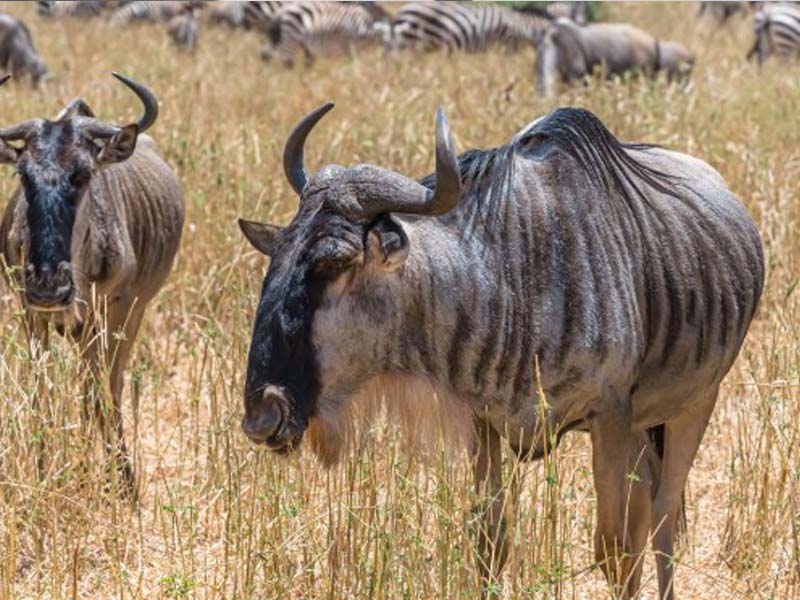
During the migration, vast herds of wildebeests, zebras, and gazelles exhibit remarkable behaviors as they navigate the challenges of their journey. Wildebeests, known for their synchronized movements and distinctive grunts, rely on safety in numbers to evade predators and overcome obstacles such as river crossings. Zebras, with their iconic black and white stripes, serve as sentinels, alerting the herd to potential threats and ensuring collective survival.
The lifespan of animals in the Serengeti varies depending on factors such as predation, disease, and environmental conditions. Wildebeests typically live for about 20 years in the wild, while zebras have a similar lifespan of around 25 years. Gazelles, with their smaller size and agility, have an average lifespan of 10 to 12 years. Despite the challenges they face during the migration, these resilient animals adapt and thrive in their dynamic and ever-changing environment.
In conclusion, the Serengeti Migration is a testament to the remarkable power of nature and the interconnectedness of all living beings. By choosing the best time to visit, packing wisely, prioritizing safety, and selecting the right accommodations, you can embark on an unforgettable journey into the heart of Africa's wilderness and witness one of the greatest wildlife spectacles on Earth. Soar above the savannah, witness the drama of the migration, and immerse yourself in the magic of the Serengeti, where every moment is an adventure waiting to unfold.
Book now with Shammah Wonders Safaris
1 day
 3 days
 Budget
4 days

Private safaris, Kilimanjaro climbs and Zanzibar holidays, run by a 100% Tanzanian-owned team in Moshi.
Licensed by TALA · No. 038091
★ 5.0 on TripAdvisor (117) · SafariBookings (177)