Shammah Wonders Safaris logo
Home Wildlife & Safari Trekking Zanzibar Combo Day tours Nature & Cultural About us Travel guides Get a Quote

Ngorongoro Crater Safari: Exploring Tanzania's Natural Wonder

Ngorongoro Crater Safari: Exploring Tanzania's Natural Wonder

Discovering the Marvels of Ngorongoro Crater: A Comprehensive Guide

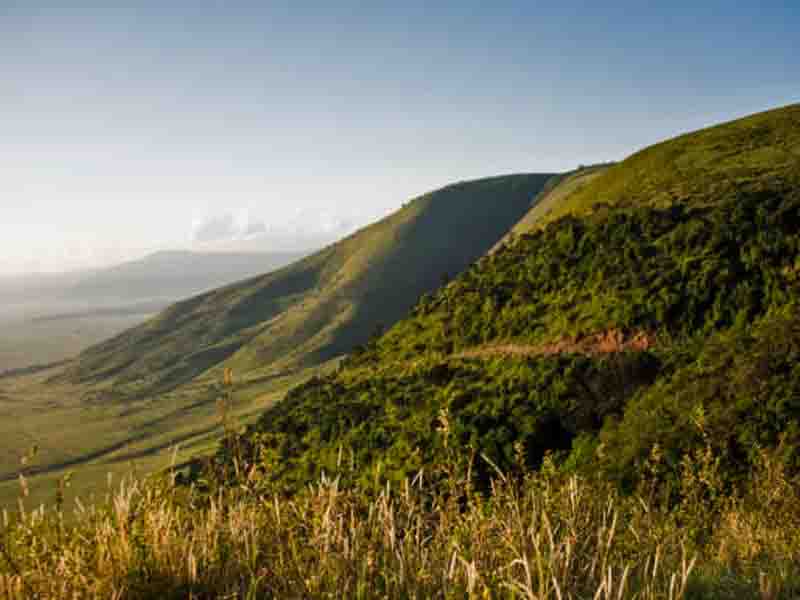
Ngorongoro Crater is a natural wonder and one of Tanzania's most iconic destinations, attracting visitors from around the world with its breathtaking landscapes and abundant wildlife. Formed by the collapse of a dormant volcano millions of years ago, the crater is now home to an incredible array of flora and fauna, making it a paradise for nature lovers and safari enthusiasts. In this comprehensive guide, we'll explore everything you need to know to plan the perfect visit to Ngorongoro Crater, including the best time to visit, packing essentials, safety tips, accommodation options, activities, and budget-friendly tips.

Best Time to Visit:

Choosing the best time to visit Ngorongoro Crater is essential for maximizing wildlife sightings and enjoying favorable weather conditions. The dry season, from June to October, is considered the prime time for safari activities, as animals congregate around water sources, making them easier to spot. Additionally, this period offers clear skies, sunny days, and cooler temperatures, perfect for exploring the crater's diverse ecosystems. However, the dry season is also the busiest and most expensive time to visit, so travelers looking to avoid crowds may prefer the shoulder seasons of January to March and November to December. During these months, accommodation prices are lower, and the weather is still relatively dry, with fewer tourists crowding the crater.

Packing List and Weather:

When packing for your visit to Ngorongoro Crater, it's essential to be prepared for varying weather conditions and outdoor activities. Here's a suggested packing list:

Clothing:

  • Lightweight, breathable clothing in neutral colors
  • Long-sleeved shirts and pants to protect against the sun and insects
  • Sweater or jacket for cool mornings and evenings
  • Hat with a wide brim to shield from the sun
  • Sturdy, comfortable walking shoes or hiking boots
  • Rain jacket or poncho for unexpected showers


Accessories:

  • Binoculars for wildlife viewing
  • Camera with extra batteries and memory cards
  • Sunscreen with a high SPF
  • Insect repellent containing DEET or picaridin
  • Portable charger for electronic devices
  • First aid kit with basic medications


Weather: Ngorongoro Crater experiences a mild and temperate climate year-round, with daytime temperatures averaging between 50°F to 75°F (10°C to 24°C) and cooler temperatures at night. The dry season, from June to October, offers clear skies, sunny days, and minimal rainfall, while the wet season, from November to May, brings occasional showers and lush green landscapes. It's essential to check the weather forecast for your specific travel dates and pack accordingly to ensure a comfortable and enjoyable visit to Ngorongoro Crater.

Safety Tips:

While visiting Ngorongoro Crater is generally safe, it's essential to take certain precautions to ensure a worry-free experience. Here are some safety tips to keep in mind:

  1. Follow your guide's instructions: Listen to your safari guide at all times and adhere to their safety guidelines, particularly when encountering wildlife.
  2.  
  3. Stay inside the vehicle: While on game drives, remain seated inside the safari vehicle and avoid standing up or leaning out of the windows, especially when approaching wildlife.
  4.  
  5. Keep a safe distance from wildlife: Respect the natural habitat of wild animals and maintain a safe distance to avoid disturbing them or putting yourself in danger.
  6.  
  7. Stay hydrated: Drink plenty of water throughout the day, especially in hot weather, to prevent dehydration.
  8.  
  9. Secure your belongings: Keep valuables such as cameras, phones, and passports secure at all times to prevent theft or loss.


Duration of Stay and Accommodation Types:

The ideal duration for a visit to Ngorongoro Crater can vary depending on your interests, budget, and travel schedule. However, a minimum of two to three days is recommended to fully explore the crater's diverse ecosystems and wildlife habitats. Here are some accommodation options near Ngorongoro Crater:

  1. Luxury Lodges: Offering luxurious accommodations, gourmet dining, and exclusive amenities, luxury lodges provide the perfect base for exploring Ngorongoro Crater in style. Examples include:
    •  
    • Ngorongoro Serena Safari Lodge: Located on the crater rim, this iconic lodge offers stunning views of the crater below, as well as elegant rooms, a swimming pool, and guided nature walks.
    •  
    • The Highlands Ngorongoro: Situated on the slopes of the Olmoti volcano, this eco-friendly lodge features domed canvas suites with panoramic views, as well as a cozy fireplace lounge and guided hikes to Empakaai Crater.
  2.  
  3. Tented Camps: For a more authentic and intimate safari experience, tented camps offer comfortable accommodations in the heart of nature. Examples include:
    •  
    • Ngorongoro Rhino Lodge: Nestled in a lush forest on the crater rim, this rustic lodge offers cozy en-suite rooms, as well as a restaurant, bar, and guided walks to nearby Maasai villages.
    •  
    • Lemala Ngorongoro Tented Camp: Located close to the crater floor, this luxury tented camp features spacious canvas tents with en-suite bathrooms, as well as a dining tent, lounge, and campfire area.
  4.  
  5. Budget Campsites: For budget-conscious travelers, campsites provide affordable accommodations with basic amenities for a rustic safari experience. Many campsites offer stunning views of the crater and easy access to hiking trails and wildlife viewing areas.


Transportation Cost:

The cost of transportation to Ngorongoro Crater will depend on factors such as your choice of safari package, mode of transportation, and distance traveled. Here are some transportation options to consider:

  1. Safari Vehicle: Many safari operators offer guided tours to Ngorongoro Crater with transportation provided in safari vehicles. Prices vary depending on the duration of the tour, level of service, and number of participants.
  2.  
  3. Rental Car: Renting a car and self-driving to Ngorongoro Crater is a popular option for independent travelers. Rental car prices vary depending on the vehicle type, rental duration, and insurance coverage.
  4.  
  5. Public Transportation: Public buses and minibusses operate between major cities and towns in Tanzania, with connections to nearby Ngorongoro Conservation Area. However, public transportation may not be as reliable or comfortable as other options, especially for travelers with limited time.


Guide and Staff Cost:

Hiring a knowledgeable safari guide is essential for a successful visit to Ngorongoro Crater, as they can provide insights into the area's wildlife, history, and conservation efforts. Guide and staff costs are typically included in the overall safari package, but it's customary to tip your guide and other staff members for their excellent service. Here are some estimated costs for guide and staff gratuities:

  1. Guide Tip: $20 to $50 per day per couple, depending on the level of service and satisfaction.
  2.  
  3. Driver Tip: $10 to $20 per day per couple, in addition to the guide tip.
  4.  
  5. Camp Staff Tip: $5 to $10 per day per person, to be shared among the camp staff members.


Budget-Friendly Ngorongoro Crater Tips:

Exploring Ngorongoro Crater on a budget is possible with careful planning and consideration. Here are some budget-friendly tips to help you make the most of your visit:

  1. Travel During the Shoulder Season: Consider visiting Ngorongoro Crater during the shoulder or off-peak seasons to take advantage of lower accommodation rates and fewer crowds.
  2.  
  3. Choose Mid-Range Accommodations: opt for mid-range lodges or tented camps that offer comfortable accommodations and essential amenities at a more affordable price than luxury resorts.
  4.  
  5. Join a Group Safari: Joining a group safari with other travelers can help reduce costs by sharing expenses such as transportation, guide fees, and park entrance fees.
  6.  
  7. Pack Snacks and Drinks: Bring snacks, water, and drinks with you during your visit to Ngorongoro Crater to avoid overpriced food and beverages at tourist facilities.
  8.  
  9. Explore Self-Guided Trails: Take advantage of self-guided hiking trails and nature walks in Ngorongoro Conservation Area to experience the beauty of the crater at your own pace, free of charge.


Conclusion:

A visit to Ngorongoro Crater is a once-in-a-lifetime experience that offers the opportunity to witness some of Africa's most iconic wildlife in their natural habitat. By following expert tips on timing, packing, safety, and budgeting, you can plan the perfect visit to Ngorongoro Crater that exceeds your expectations and creates memories to last a lifetime. Whether you're marveling at the crater's stunning landscapes, observing the Big Five on a guided safari, or enjoying a scenic picnic overlooking the crater floor, each moment spent in Ngorongoro Crater is sure to be filled with awe, wonder, and adventure.

For more information and to book your visit to Ngorongoro Crater, visit NgorongoroCraterSafari.com.

Tours that visit Ngorongoro

Plan your trip with a local expertFree tailor-made quote, usually within 2 hours. More travel guides
Get my free quoteWhatsApp us