
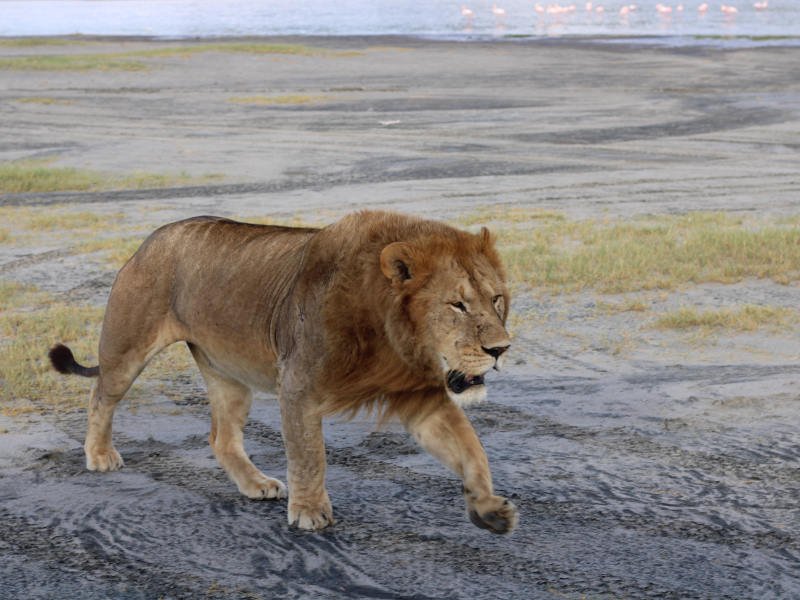
Embarking on a safari in Tanzania is an exciting adventure that promises unforgettable experiences and breathtaking encounters with wildlife. Proper preparation is key to making the most of your safari. This guide will provide you with essential tips, packing lists, and planning advice to ensure a smooth and enjoyable safari experience.
Tanzania is home to some of the world's most iconic national parks and wildlife reserves, including the Serengeti, Ngorongoro Crater, and Tarangire National Park. The country's diverse landscapes and abundant wildlife make it a top destination for safari enthusiasts.
For more detailed information on Tanzania's safari attractions, visit Tanzania Tourism.
Proper preparation can make a significant difference in your safari experience. Here are some essential tips to help you get ready:
Start by researching the best time to visit Tanzania for a safari. The dry season, from June to October, is ideal for wildlife viewing. Decide which parks and reserves you want to visit and plan your itinerary accordingly. If you prefer fewer crowds and lush landscapes, consider the wet season (November to May), which offers a different, but equally mesmerizing, safari experience.
Selecting a reputable safari operator is crucial for a safe and enjoyable experience. Look for operators with positive reviews and experienced guides. Ensure they are members of recognized tourism associations like the Tanzania Association of Tour Operators (TATO). Websites like TripAdvisor and SafariBookings can help you find trusted operators.
One highly recommended operator is Shammah Wonders Safaris, known for their exceptional service, knowledgeable guides, and customized safari packages. Shammah Wonders Safaris offers a range of safari experiences, from classic game drives to cultural tours, ensuring a memorable adventure tailored to your preferences.
Consult with your doctor about vaccinations and health precautions for traveling to Tanzania. Common vaccinations include yellow fever, typhoid, hepatitis A and B, and tetanus. Malaria prophylactics are also recommended. Carry a copy of your vaccination records, as proof of certain vaccinations (like yellow fever) may be required upon entry.
Purchase comprehensive travel insurance that covers medical emergencies, trip cancellations, and lost belongings. This will give you peace of mind during your safari. Ensure your insurance covers activities specific to your safari, such as bush walks or hot air balloon rides.
Ensure your passport is valid for at least six months beyond your travel dates. Check the visa requirements for Tanzania and apply for a visa in advance if necessary. Many nationalities can obtain a visa on arrival, but it's advisable to check with the Tanzania Immigration website for the latest information.
Packing appropriately is crucial for a comfortable and enjoyable safari. Here is a comprehensive packing list:
Game drives are a highlight of any safari. Prepare for long hours in a safari vehicle by bringing snacks, water, and comfortable seating cushions. Listen to your guide's instructions and remain quiet to avoid disturbing the wildlife. Early morning and late afternoon game drives are usually the most productive times for wildlife sightings.
Walking safaris offer a unique perspective on Tanzania's wildlife. Wear sturdy walking shoes and follow your guide's safety instructions. Carry minimal belongings and stay alert to your surroundings. Walking safaris allow you to learn about the smaller details of the ecosystem, such as tracks, plants, and insects.
In areas like the Selous Game Reserve and on Lake Tanganyika, boat safaris provide a different vantage point for observing wildlife. Wear a life jacket, and keep your camera ready for close encounters with hippos, crocodiles, and water birds.
Many safaris include visits to local communities and Maasai villages. Respect local customs and dress modestly. Bring small gifts like school supplies or food items to share with the communities you visit. These interactions can provide deeper insights into the region's culture and traditions.
The official currency in Tanzania is the Tanzanian Shilling (TZS). While credit and debit cards are accepted in major hotels and lodges, it's advisable to carry cash for smaller transactions and tips. For up-to-date exchange rates, visit XE.com. ATMs are available in larger towns and cities, but may not be accessible in remote areas.
Check with your mobile provider about international roaming plans for Tanzania. Alternatively, purchase a local SIM card upon arrival for affordable data and calling rates. Many lodges and camps offer Wi-Fi, but connectivity can be limited in remote areas. Apps like WhatsApp are commonly used for communication in Tanzania.
Swahili is the official language of Tanzania, but English is widely spoken in tourist areas. Learning a few basic Swahili phrases can enhance your interactions with locals. Common phrases include "Jambo" (Hello), "Asante" (Thank you), and "Hakuna Matata" (No worries).
Tanzania is generally a safe country for tourists, but it's important to take common safety precautions. Avoid walking alone at night, be cautious with your belongings, and use reputable transportation services. Keep your passport, money, and other valuables secure.
Respect the wildlife by maintaining a safe distance, avoiding loud noises, and never feeding the animals. Follow the guidelines provided by your guides and park regulations. Minimize your environmental impact by disposing of waste properly and using biodegradable products.
The timing of your safari can greatly influence your experience. The dry season (June to October) is ideal for wildlife viewing as animals gather around water sources and vegetation is sparse, making them easier to spot. The wet season (November to May) brings lush landscapes and fewer tourists, but some areas may be inaccessible due to heavy rains.
For detailed information on the best times to visit specific parks and reserves, refer to travel guides like Lonely Planet and Fodor's.
Proper preparation for a safari in Tanzania ensures a safe, comfortable, and unforgettable adventure. From packing the right gear to understanding local customs, every detail contributes to the overall experience. By following this comprehensive guide, you'll be well-prepared to embark on a remarkable journey through Tanzania's stunning landscapes and diverse wildlife.

Private safaris, Kilimanjaro climbs and Zanzibar holidays, run by a 100% Tanzanian-owned team in Moshi.
Licensed by TALA · No. 038091
★ 5.0 on TripAdvisor (117) · SafariBookings (177)