 2 days
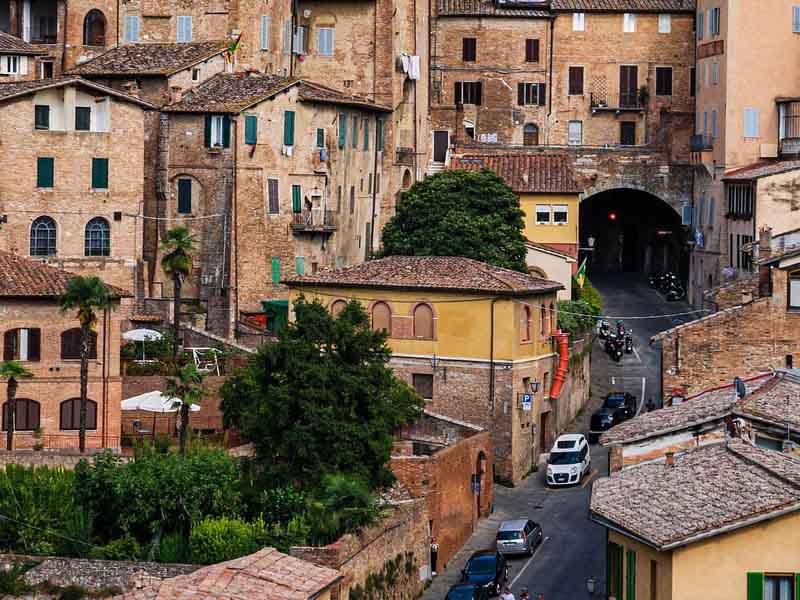
Stone Town Heritage Walk – Zanzibar’s Cultural Treasure
- Explore the historic streets of Stone Town
- Visit the famous House of Wonders
- Discover the Former Slave Market
FromUS$ 150 pp


Zanzibar, often referred to as the "Spice Islands" of the Indian Ocean, has a storied history intertwined with the cultivation and trade of exotic spices. Nestled off the coast of Tanzania, this archipelago boasts a rich cultural heritage shaped by centuries of spice production. From cloves and nutmeg to cinnamon and black pepper, Zanzibar's spices not only enhance culinary experiences but also reflect its economic prosperity and global significance in the spice trade.
Zanzibar's reputation as the "Spice Island" dates back centuries to the era of the Portuguese explorers in the 16th century. It was during this time that cloves were introduced to the islands, marking the beginning of Zanzibar's prominence in the global spice trade. The favorable climate and fertile soils of Zanzibar proved ideal for the cultivation of various spices, attracting traders from Arabia, Persia, India, and beyond.
Zanzibar's strategic location along major trade routes in the Indian Ocean facilitated its emergence as a key player in the spice trade during the 19th century. Under Omani rule, particularly during the reign of Sultan Seyyid Said, Zanzibar became the world's leading producer of cloves. The island's cloves were highly sought after for their superior quality and aroma, leading to substantial wealth and cultural exchange.
Visiting a spice plantation in Zanzibar offers visitors a captivating journey through lush gardens where a variety of spices are cultivated. Guided tours provide insights into the traditional farming practices, harvesting techniques, and the medicinal uses of each spice. Knowledgeable guides, often local farmers, share their expertise and stories, enriching the experience with cultural anecdotes and historical context.
Cloves are the cornerstone of Zanzibar's spice industry, historically valued for their aromatic flavor and medicinal properties. Zanzibar's cloves are known for their high quality and are used in culinary dishes, medicine, and even as a natural breath freshener.
Nutmeg and mace thrive in Zanzibar's humid climate, with the islands producing some of the finest varieties. These spices are prized for their distinct flavors and are used in both sweet and savory dishes, as well as in traditional medicine.
Zanzibar produces aromatic cinnamon, known for its warm and sweet flavor profile. Cinnamon is used in baking, desserts, and as a flavor enhancer in various dishes.
Black pepper grows abundantly in Zanzibar and is appreciated for its spicy and pungent flavor. It is widely used in cooking and adds a kick to both savory and sweet dishes.
Zanzibar's spices have been integral to local traditions and cultural practices for centuries. Beyond their culinary uses, spices like cloves have been utilized in traditional medicine for treating ailments such as toothaches and digestive issues. Spices are also incorporated into perfumes, soaps, and as natural insect repellents, showcasing their versatility and importance in daily life.
Zanzibari cuisine is a testament to the island's rich cultural tapestry, blending influences from Arabia, India, Persia, and indigenous African traditions. Spices play a central role in Zanzibari dishes, enhancing flavors and creating distinctive taste profiles that are both aromatic and flavorful.
Biryani, a fragrant rice dish cooked with meat (often chicken or beef), vegetables, and a blend of spices including cloves, cinnamon, cardamom, and black pepper, reflects Zanzibar's diverse culinary influences.
Pilau, a spiced rice dish often served with meat (such as goat or chicken), incorporates a blend of spices like cloves, cinnamon, and nutmeg, creating a flavorful and aromatic main course.
Zanzibar Mix, a popular street food, combines a variety of spices with chickpeas, potatoes, and meat, served in a chapati wrap. It exemplifies the versatility of Zanzibar's spices in everyday cuisine.
Visitors to Zanzibar can indulge in culinary delights infused with local spices at restaurants, markets, and during spice tours. From aromatic curries to sweet treats like spiced cakes and teas, Zanzibar offers a diverse range of dishes that highlight the island's spice-rich heritage.
Spice tours in Zanzibar offer more than just a walk through gardens; they provide an immersive cultural experience. Visitors learn about traditional farming practices, harvesting methods, and the cultural significance of spices from local guides who share their knowledge and stories passed down through generations.
Spice tours often include interactions with local farmers and artisans, providing insight into their daily lives and the importance of spices in Zanzibari culture. Visitors may have the opportunity to participate in spice harvesting or cooking demonstrations, deepening their understanding of the local traditions.
Spice farming in Zanzibar follows traditional and sustainable practices passed down through generations. Farmers cultivate spices in small plots using organic methods, minimizing the use of pesticides and chemicals to maintain soil fertility and preserve the natural ecosystem.
Spices are harvested by hand when they reach maturity, ensuring optimal flavor and quality. After harvesting, spices undergo careful processing, which may include drying, curing, or grinding, depending on the type of spice and its intended use.
Zanzibar exports its spices to countries across Africa and beyond, contributing to its economy and international trade relations. The island's spices are renowned for their quality and flavor, attracting buyers from diverse culinary and medicinal industries worldwide.
In addition to spices, Zanzibar is also known for its sea moss farming, locally known as seaweed farming. This coastal activity plays a significant role in the island's economy, providing livelihoods for many coastal communities. Sea moss is cultivated in shallow waters around the islands and is used in various industries, including food additives, cosmetics, and pharmaceuticals.
Zanzibar's spices embody a centuries-old legacy of trade, culture, and culinary excellence. From the historic spice trade routes to the lush plantations that dot the island, Zanzibar invites visitors on a sensory journey through its scented gardens and vibrant markets. The influence of spices on Zanzibari cuisine is profound, creating dishes that are not only flavorful but also reflective of the island's diverse cultural heritage. Whether exploring spice plantations, sampling local dishes, or learning about traditional farming practices, a visit to Zanzibar offers a deeper appreciation for the role of spices in shaping the island's identity and enriching its culinary traditions.
2 days
 1 day
Nyerere National Park (Selous Game Reserve) is among the largest National parks. The beauty of the park is matched with...
 3 days

Private safaris, Kilimanjaro climbs and Zanzibar holidays, run by a 100% Tanzanian-owned team in Moshi.
Licensed by TALA · No. 038091
★ 5.0 on TripAdvisor (117) · SafariBookings (177)