Today you arrive directly to Kilimanjaro International Airport (time and flight to be confirmed) and will be transferred to your pre-climb lodge in Moshi.
Accommodation: Kilimanjaro Wonders Hotel
Meals Included: Dinner
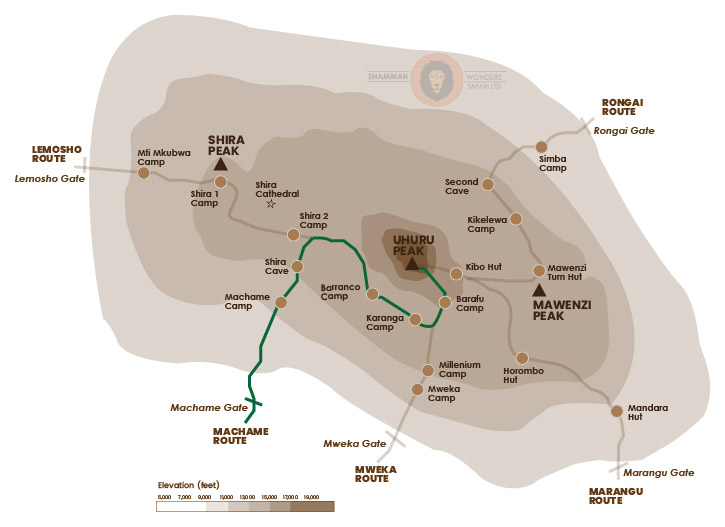
This morning, we indulge in a leisurely breakfast at our hotel, setting off in our vehicle around 08:00hrs to ensure a timely arrival at Machame Gate (1640 meters) by 10:00hrs as per our schedule. Upon arrival, our first task is to complete the necessary registration formalities before commencing our trek. Here, you'll have the opportunity to meet your mountain team, including guides, porters, and all other companions accompanying you on your ascent.
Today's trek covers considerable ground, with an elevation gain of approximately 1332 meters over a distance of just under 11km/7 miles, spanning a walking duration of approximately 5 to 6 hours.
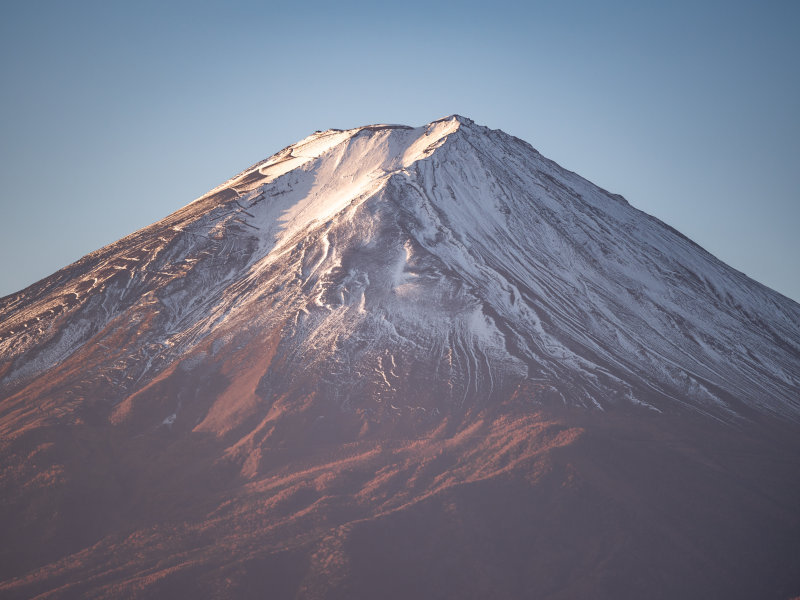
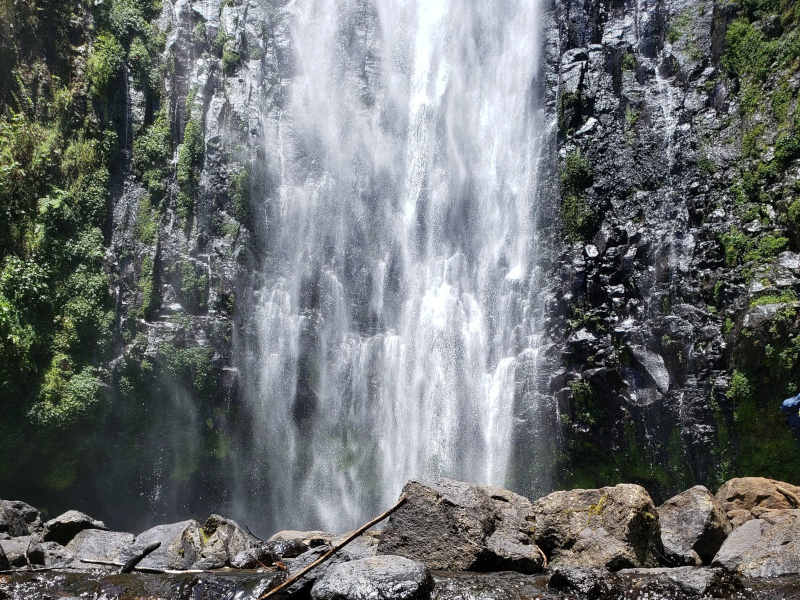
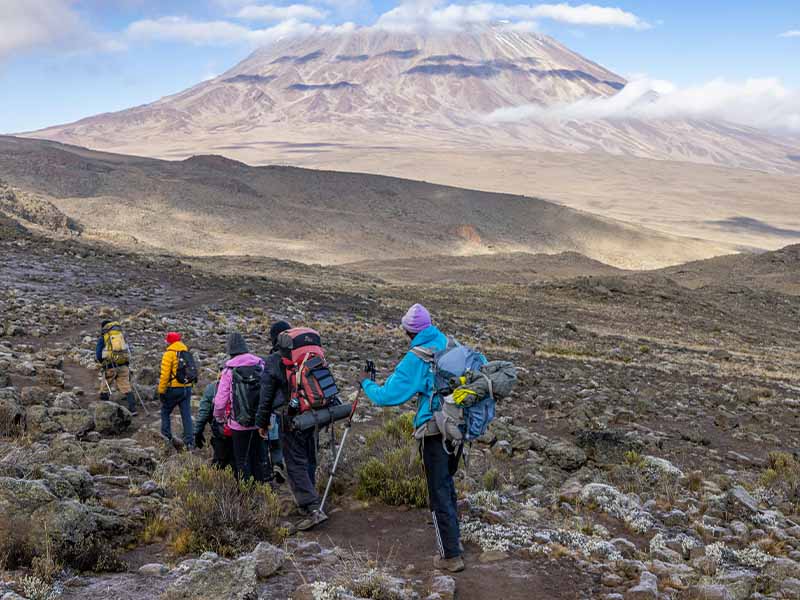
The initial stretch of today's journey follows a broad track winding through dense forest, adorned with magnificent tall trees draped in green moss. As the trail gradually inclines and narrows, the landscape transforms, with the emergence of vibrant flowers such as impatiens Kilimanjaro and impatiens pseudoviola adding splashes of color to the surroundings. You'll also catch glimpses of Kibo Peak in the east. Keep an eye out for the diverse birdlife inhabiting the area, including species like olive thrush and stonechat. We aim to reach the camp by around 17:00hrs, providing you with a couple of hours to unwind before dinner is served
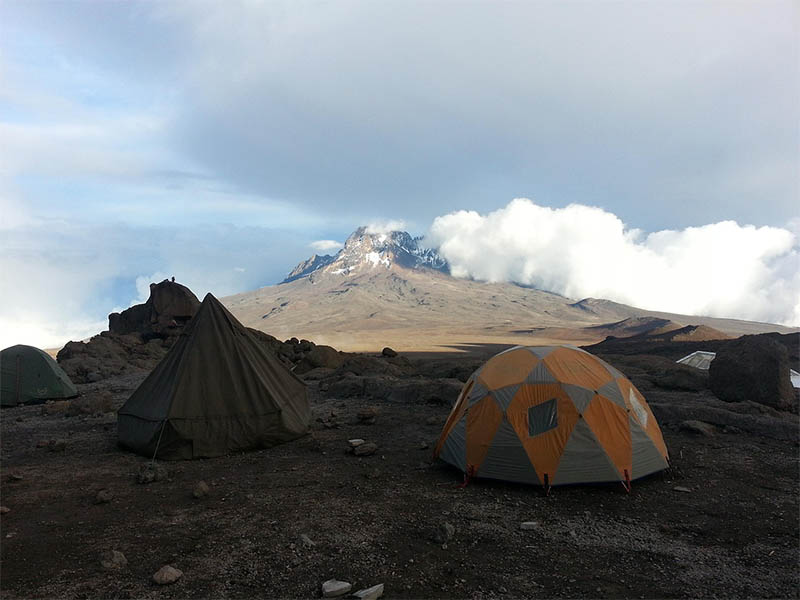
Today's leg of the journey is characterized by its brevity and steepness as we ascend to an altitude surpassing 3804 meters. Despite the challenging terrain encountered in the morning along a narrow path, our perseverance is handsomely rewarded at lunchtime with breathtaking vistas stretching both southward and toward Kibo. Indeed, one would be hard-pressed to find a more idyllic spot for a meal.
Commencing our day with an early start around 08:30hrs, we anticipate reaching our campsite by 14:00hrs. Along the way, we'll encounter the enchanting moorland lobelias and the distinctive dark obsidian rock formations of the Shira Plateau for the first time. Upon arriving at Shira Caves, you'll have ample opportunity to marvel at magnificent natural landmarks such as the renowned 'Shira Cathedral,' Klute Peak, and the majestic Mount Meru. Dinner will be served around 18:00hrs, allowing for a satisfying end to the day's adventures.
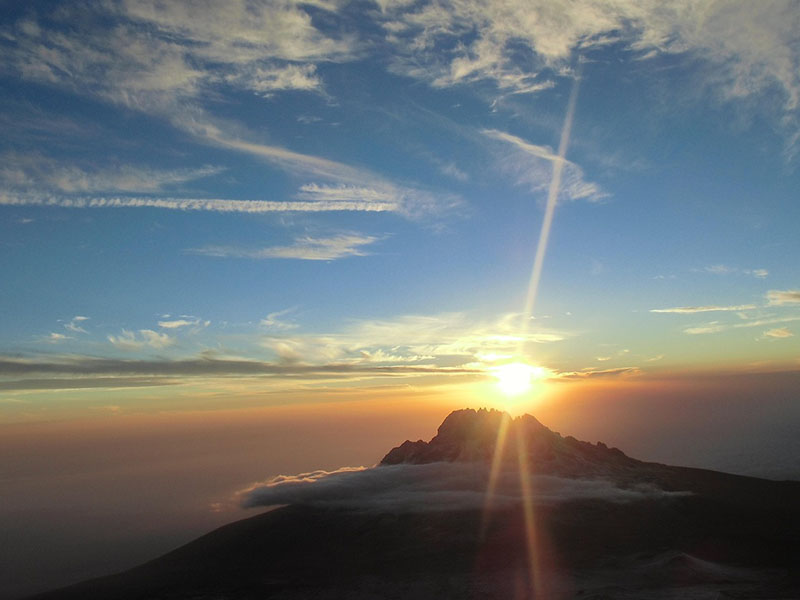
Today's stage presents a notable departure from yesterday's journey, featuring a longer trek and a shift in terrain. Beginning at 3804 meters, our route spans nearly 10km/6 miles, with a modest altitude gain of 146 meters by the time we reach Barranco Camp around 16:00hrs. Along the hike, we ascend to the base of the imposing Lava Tower, towering at a lofty 4630 meters, before descending for our overnight stop. While this descent may seem counterintuitive, it plays a crucial role in facilitating acclimatization to high altitudes.
Given the overall distance covered today, we anticipate walking for approximately 6 to 8 hours, excluding breaks. Our day commences with breakfast at 07:00hrs and departure at 08:30hrs, embarking on our trek across the rugged terrain of the Shira Plateau. Initially, vegetation is sparse, with only a few resilient lichens dotting the landscape. As we ascend towards the Lava Tower, a well-deserved picnic lunch awaits at 13:00hrs. Following our ascent to the pinnacle near the Lava Tower, we descend to Barranco Camp. Upon arrival, take a moment to admire the stunning vistas of Kibo's southern face and the majestic Heim Glacier. Dinner will be served at 19:00hrs, providing a satisfying conclusion to the day's endeavors.
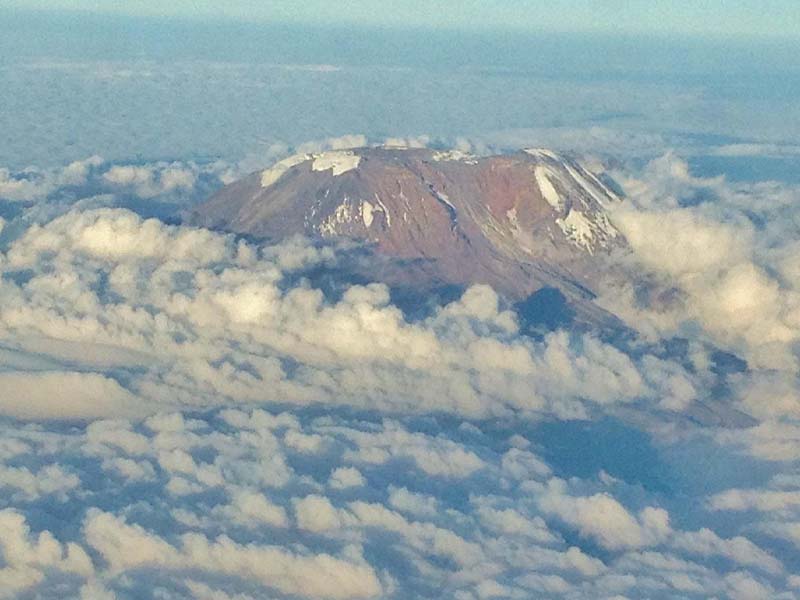
Today promises to be a true test of endurance! We'll kickstart the day with breakfast at 07:00hrs, gearing up for what lies ahead on this demanding journey. Our departure is set for 08:00hrs, with a cooked lunch awaiting us at Karanga around midday. By 16:00hrs, we aim to reach our ultimate destination, Barafu Camp, where dinner will be served at 18:00hrs.
The beginning of today's trek presents a unique challenge: a rigorous scramble up the near-vertical Barranco Wall, aptly dubbed the 'Breakfast Wall' for its immediate ascent following breakfast! At the summit, you'll be treated to breathtaking views of the Heim Glacier before gradually descending into the stunning yet chilly Karanga Valley below.
Continuing onwards, we navigate a steep series of zig-zags until we reach Karanga Camp, where our lunch stops for the day. Departing from Karanga, our journey persists with a steady ascent, traversing through barren, rocky terrain with the Decken and Kersten glaciers visible to the left. As we crest the summit, the landscape remains stark as we descend into a valley, catching our first glimpse of the Rebmann Glacier. Our destination, Barafu Camp, awaits at the end of this valley, accessible after a brief, steep scramble and a final stretch of walking.
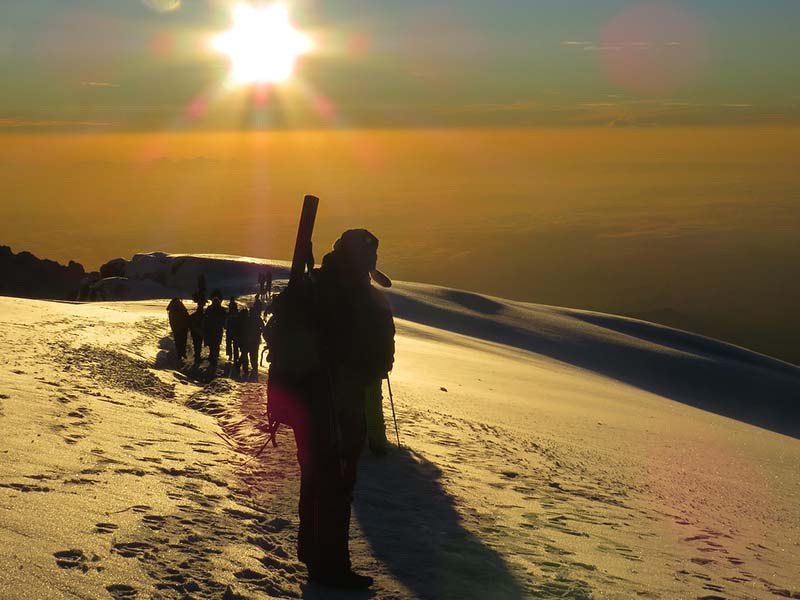
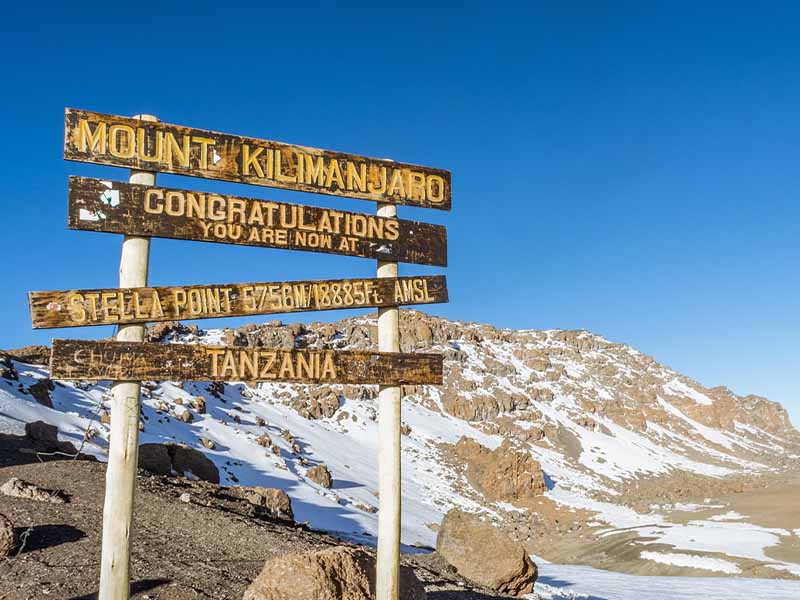
The trek from Barafu Camp to Uhuru Peak begins around midnight under freezing temperatures and strong winds. Climbers ascend slowly across steep scree slopes toward Stella Point before reaching the summit at Uhuru Peak, the highest point in Africa. The sunrise views above the clouds and glaciers make the difficult climb rewarding. After celebrating briefly at the summit, trekkers descend back to Barafu Camp for a short rest and meal. The journey then continues downhill through alpine desert terrain toward Mweka Camp. Although the descent is long and tiring, reaching Mweka Camp marks a major achievement in the Kilimanjaro climb.

Still thrilled by your achievement, breakfast is taken at 07.00hrs, and at 08.00hrs you can take the chance to reward your trekking team at the ‘Tipping Celebration.’
Although we still have 9km to walk, departure is at a leisurely 09.00hrs and you descend down to the Mweka Gate which sits at an altitude of 1640 metres. There, you will be served a cooked lunch at midday and be presented with your hard-earned certificate.
Your vehicle transport will be waiting to return you back to your Hotel in Arusha, where you can choose to relax – or, if you have any energy left, to celebrate!
Following a rejuvenating night's stay at our hotel, you'll savor a hearty breakfast in preparation for the scheduled check-out by 10:00hrs. (Should you prefer to extend your stay at the hotel during the day, kindly notify us at the time of booking your trip, and we'll gladly provide you with details regarding the cost for a day room, available until 18:00hrs, and facilitate the booking on your behalf.)
For guests with airport transfer arrangements, our team will ensure your seamless transition from the hotel to the airport. As for travelers embarking on safari adventures, our dedicated Shammah Wonders Safari will convene with you in the evening to deliver a comprehensive briefing, ensuring you're fully prepared for your upcoming safari experience.

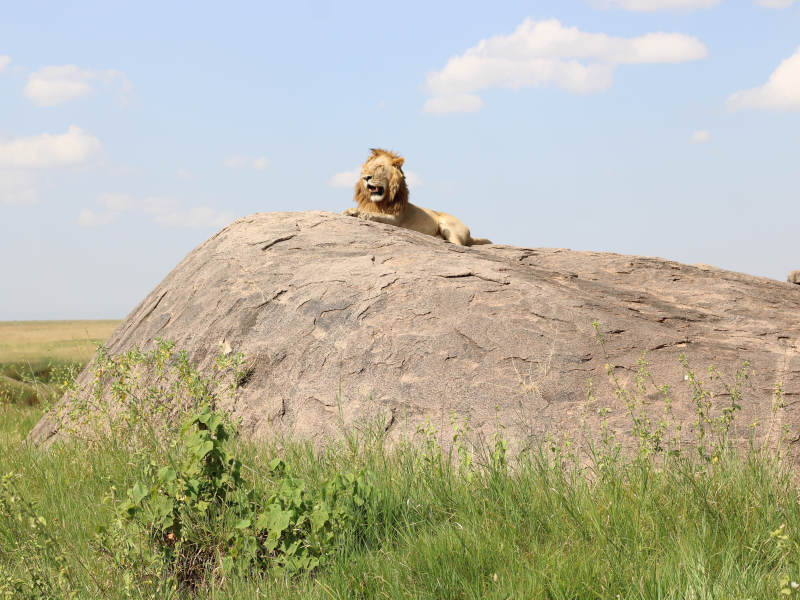
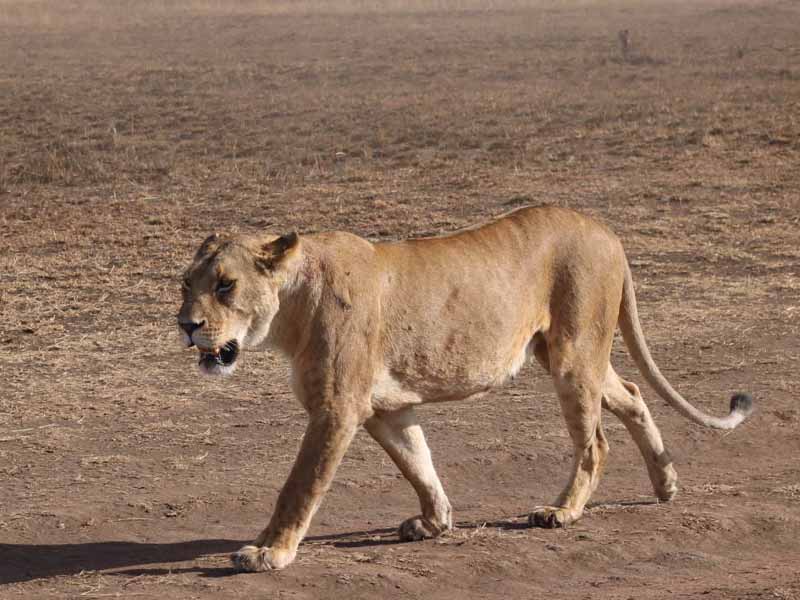
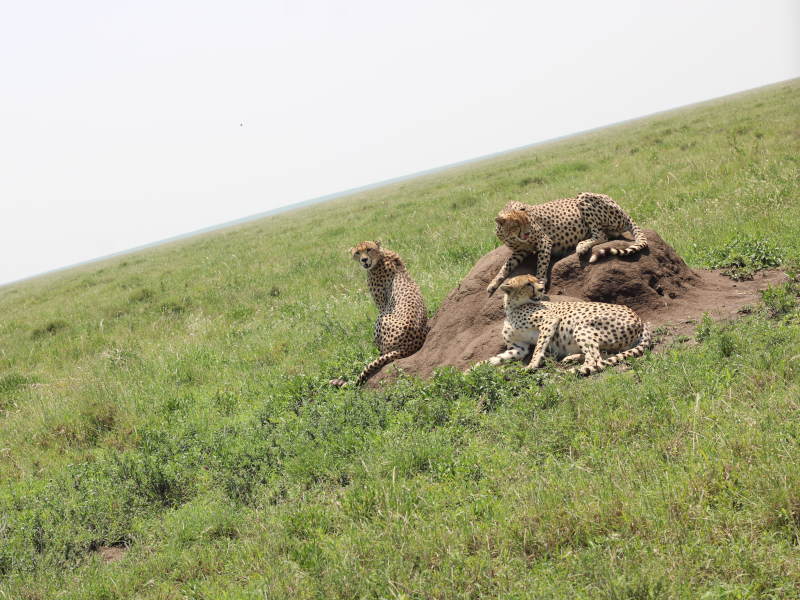
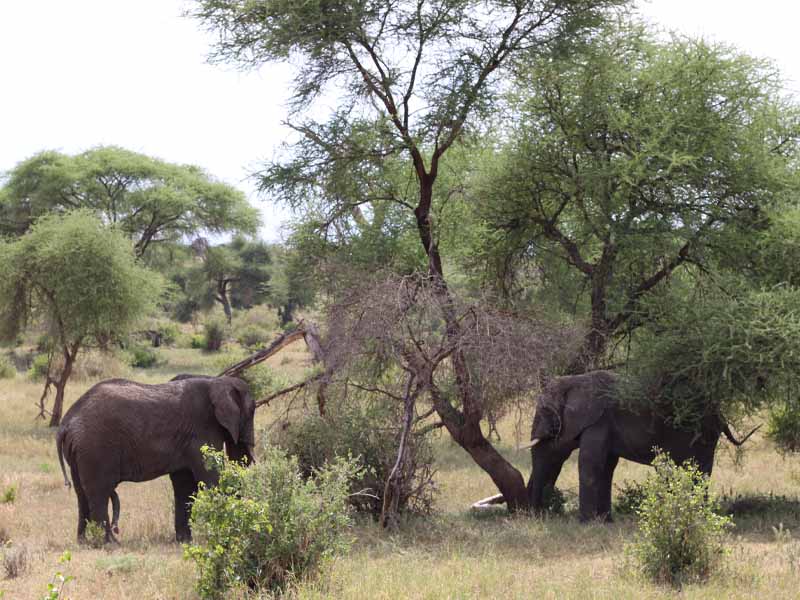
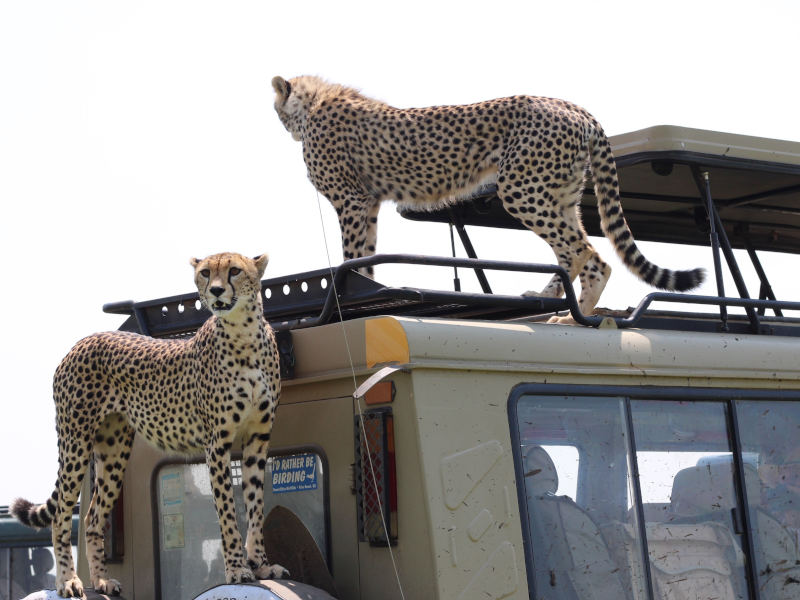
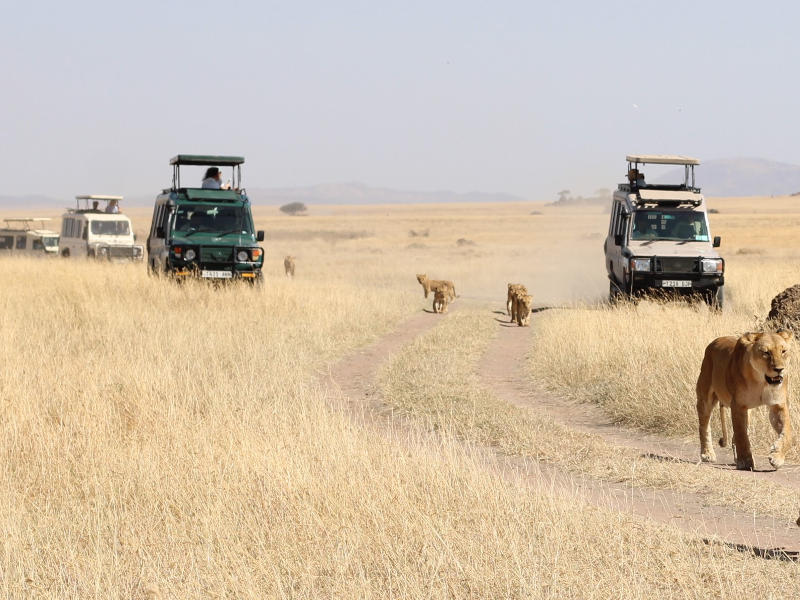
Shammah Wonders Safaris is a tour company with a very professional team with a full of distinguished service oriented mindset. It is a rapidly growing company which always focusing on providing the classic and one in a life time experience in the wild and nature in general. Most of our safaris are private. Private safaris in Tanzania are a great way to explore the country’s wildlife and landscapes with an exclusive and dedicated guide, without having to share time-tabled tours of game viewing activities, amenities, and transport with strangers whose preferences and languages do not match yours. Private Tanzania safaris are available for groups of any size, with SHAMMAH WONDERS offering tailor-made options for honeymoon couples, families, or small VIP groups. Shammah Wonders Tour Operator offers a 12-day Private Tanzania safari that takes you from Arusha to the Ngorongoro Crater, Tarangire to the Serengeti, with the journey’s end on the white sand beaches of Zanzibar. Tanzania Private safaris are all about traveling with the people you choose, and they are designed to be experienced at your leisure in ultimate African luxury